
HPF1 Savannah Cat: The Ultimate Guide to High Percentage F1 Savannah Cats in 2025
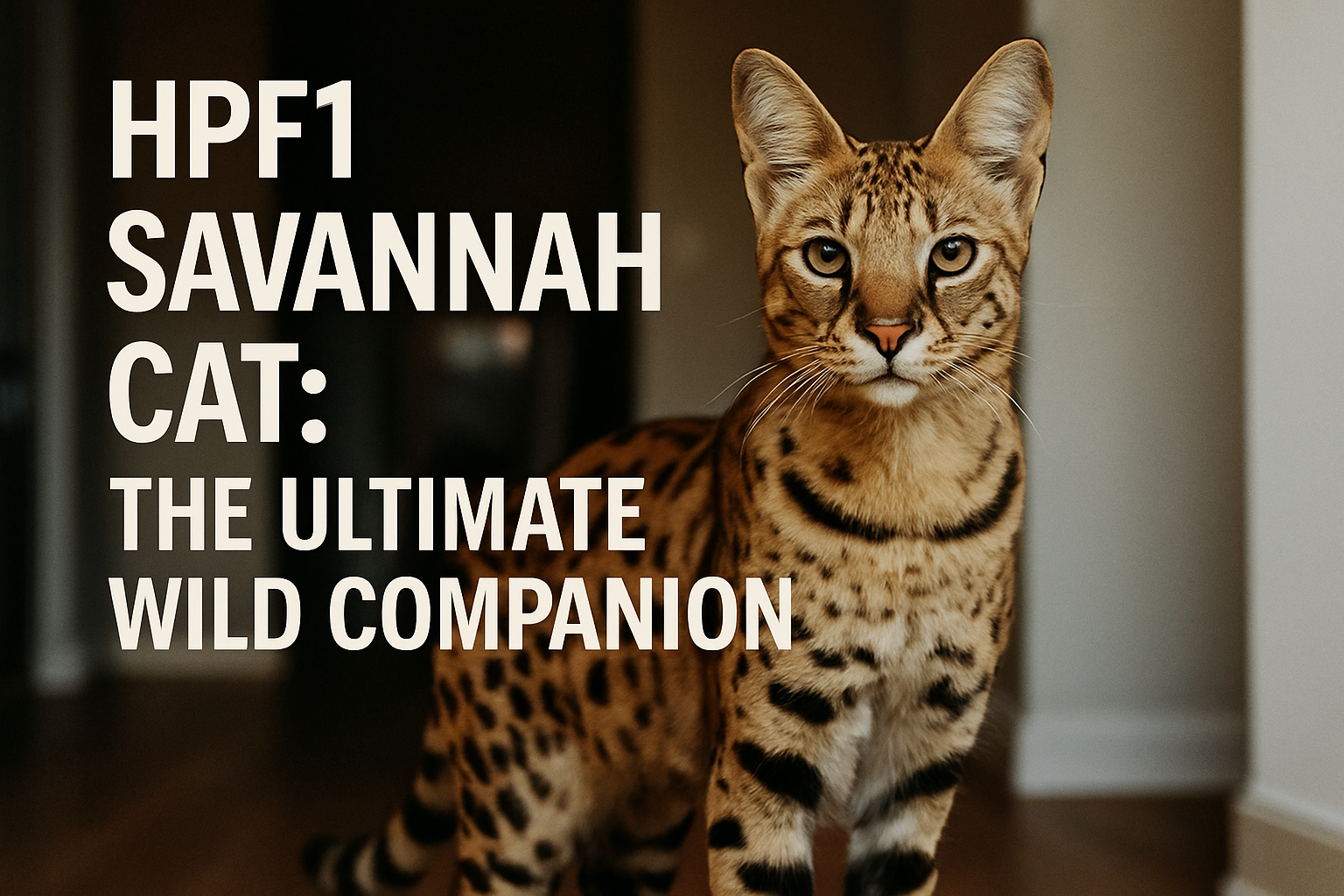
Imagine owning a cat that looks like it just stepped out of the African savanna – with the grace of a wild serval but the loving nature of a domestic companion. The HPF1 savannah cat represents the pinnacle of exotic feline breeding, offering cat enthusiasts the closest possible experience to living with a wild cat while maintaining the temperament suitable for home life. These magnificent creatures are not just pets; they're living works of art that combine the best of both worlds.
Key Takeaways
• HPF1 savannah cats are high percentage F1 Savannahs with 65-75% serval genetics, making them the most wild-looking domestic cats available
• These cats require experienced owners who understand their unique needs, high energy levels, and specialized care requirements
• Prices typically range from $15,000-$35,000 due to the difficulty of breeding and their exceptional rarity
• HPF1 Savannah cats can weigh 20-30 pounds and stand up to 17 inches tall, making them significantly larger than typical house cats
• I Wanna Savannah has been producing top-quality HPF1 Savannah cats for over a decade, establishing itself as America's premier breeder
What Makes an HPF1 Savannah Cat Special? 🐾
The term "HPF1" stands for High Percentage F1, referring to first-generation Savannah cats that possess an exceptionally high percentage of serval DNA – typically between 65% and 75%. Unlike standard F1 Savannahs that may have 50% serval genetics, an HPF1 savannah cat represents the absolute peak of wild appearance and characteristics that can be achieved in a domestic setting.
These remarkable felines are the direct offspring of an African serval father and a carefully selected domestic cat mother. The breeding process is incredibly challenging and requires extensive expertise, which explains why authentic HPF1 savannah cats are so rare and valuable. The higher the serval percentage, the more pronounced the wild characteristics become – from their stunning spotted coats to their incredible athletic abilities.
Physical Characteristics That Set HPF1s Apart
HPF1 savannah cats are truly breathtaking in their appearance. They typically display:
- Massive size: Males can reach 25-30 pounds, while females usually weigh 18-25 pounds
- Extraordinary height: Standing 15-17 inches at the shoulder
- Distinctive coat patterns: Bold, crisp spots that are larger and more defined than lower generations
- Serval-like features: Enormous ears, long legs, and a lean, muscular build
- Wild coloration: Rich golden to tawny base colors with striking black spots and markings
The difference between an HPF1 savannah cat and a regular domestic cat is immediately apparent. These cats move with the fluid grace of their wild ancestors, and their presence commands attention in any room.
Understanding the HPF1 Savannah Cat Breeding Process
Creating an HPF1 savannah cat is an art form that requires years of dedication, extensive knowledge, and significant investment. The process begins with acquiring a breeding-quality African serval, which alone can cost $10,000-$20,000 and requires special permits in most states.
The breeding process itself presents numerous challenges:
Genetic Compatibility Challenges
- Size differences: Servals are significantly larger than domestic cats, making natural breeding difficult
- Gestation complications: Pregnancy success rates are relatively low
- Male sterility: Most F1 male Savannahs are sterile, limiting breeding options
- Temperament matching: Finding domestic cats with compatible personalities for breeding
The Role of Expert Breeders
Professional breeders like those at I Wanna Savannah have spent over a decade perfecting their breeding programs. They understand the intricate details of:
- Genetic testing to ensure healthy offspring
- Proper socialization from birth to 12 weeks
- Nutritional requirements for optimal development
- Health screening to prevent genetic disorders
The expertise required to consistently produce healthy, well-socialized HPF1 savannah cats cannot be overstated. This is why choosing a reputable breeder is absolutely crucial for anyone considering adding one of these magnificent cats to their family.
Living with an HPF1 Savannah Cat: What to Expect
Bringing home an HPF1 savannah cat is like welcoming a wild spirit into your home. These cats are not for everyone, and potential owners must understand the unique challenges and rewards that come with such an exotic companion.
Energy Levels and Exercise Needs
HPF1 savannah cats possess energy levels that can be overwhelming for unprepared owners. They require:
- Multiple hours of active play daily
- Large spaces to run and climb
- Mental stimulation through puzzle feeders and interactive toys
- Vertical territory with tall cat trees and climbing structures
These cats don't simply nap all day like many domestic breeds. They're constantly on the move, exploring, hunting (even if it's just toys), and seeking new adventures.
Behavioral Characteristics
Living with an HPF1 savannah cat means adapting to their wild instincts:
Positive Traits:
- Incredibly loyal and bonded to their owners
- Highly intelligent and trainable
- Playful and entertaining
- Often enjoy water and may even swim
- Can be leash trained for outdoor adventures
Challenging Behaviors:
- May be destructive if bored or under-stimulated
- Can be territorial with other pets
- Require consistent boundaries and training
- May not enjoy being held or cuddled like typical cats
- Can be escape artists if not properly contained
Socialization Requirements
Early and extensive socialization is crucial for HPF1 savannah cats. Reputable breeders begin this process immediately, but owners must continue it throughout the cat's life. This includes:
- Exposure to various people of different ages and appearances
- Introduction to household sounds and activities
- Positive experiences with handling and grooming
- Interaction with other pets (when appropriate)
For more detailed information about Savannah cat temperament and socialization, experienced breeders provide comprehensive guides to help new owners succeed.
Choosing the Right HPF1 Savannah Cat Breeder
The decision to purchase an HPF1 savannah cat should never be taken lightly, and choosing the right breeder is perhaps the most critical factor in ensuring a positive experience. With prices ranging from $15,000 to $35,000, buyers deserve assurance that they're getting a healthy, well-socialized cat from ethical breeding practices.
Red Flags to Avoid
Unfortunately, the high value of HPF1 savannah cats has attracted unscrupulous breeders who prioritize profit over animal welfare. Watch out for:
- Breeders who won't allow facility visits
- No health guarantees or genetic testing
- Unusually low prices (often indicating lower percentages or health issues)
- Pressure to buy immediately
- Lack of proper documentation or registration papers
- Multiple litters available at once (indicating puppy mill-style operations)
What Quality Breeders Provide
Reputable breeders invest heavily in their breeding programs and provide comprehensive support:
Health Guarantees:
- Complete veterinary examinations
- Genetic testing for hereditary conditions
- Vaccination records and health certificates
- Spay/neuter contracts (for pet-quality cats)
Documentation:
- TICA registration papers
- Detailed pedigree information
- DNA testing results confirming serval percentage
- Microchip identification
Ongoing Support:
- Lifetime breeder support for questions and concerns
- Detailed care instructions and feeding guidelines
- Return policies if circumstances change
- Access to exclusive owner communities and resources
I Wanna Savannah: Setting the Gold Standard
I Wanna Savannah has established itself as America's premier HPF1 savannah cat breeder through over a decade of dedicated breeding excellence. Their commitment to quality is evident in every aspect of their operation:
Breeding Excellence:
- Carefully selected serval bloodlines for optimal health and temperament
- Extensive genetic testing and health screening
- Focus on high percentage F1s with authentic wild characteristics
- Meticulous record-keeping and documentation
Facility Standards:
- State-of-the-art breeding facilities with climate control
- Spacious enclosures that allow for natural behaviors
- Veterinary partnerships for immediate medical care
- Quarantine protocols to prevent disease transmission
Customer Experience:
- Transparent pricing with no hidden fees
- Comprehensive kitten preparation guides
- Lifetime support for all kitten buyers
- Educational resources about Savannah cat care
The difference in quality between I Wanna Savannah's HPF1 savannah cats and those from lesser breeders is immediately apparent to experienced cat enthusiasts. Their cats consistently display superior conformation, temperament, and health – justifying their position as the industry leader.
HPF1 Savannah Cat Care Requirements
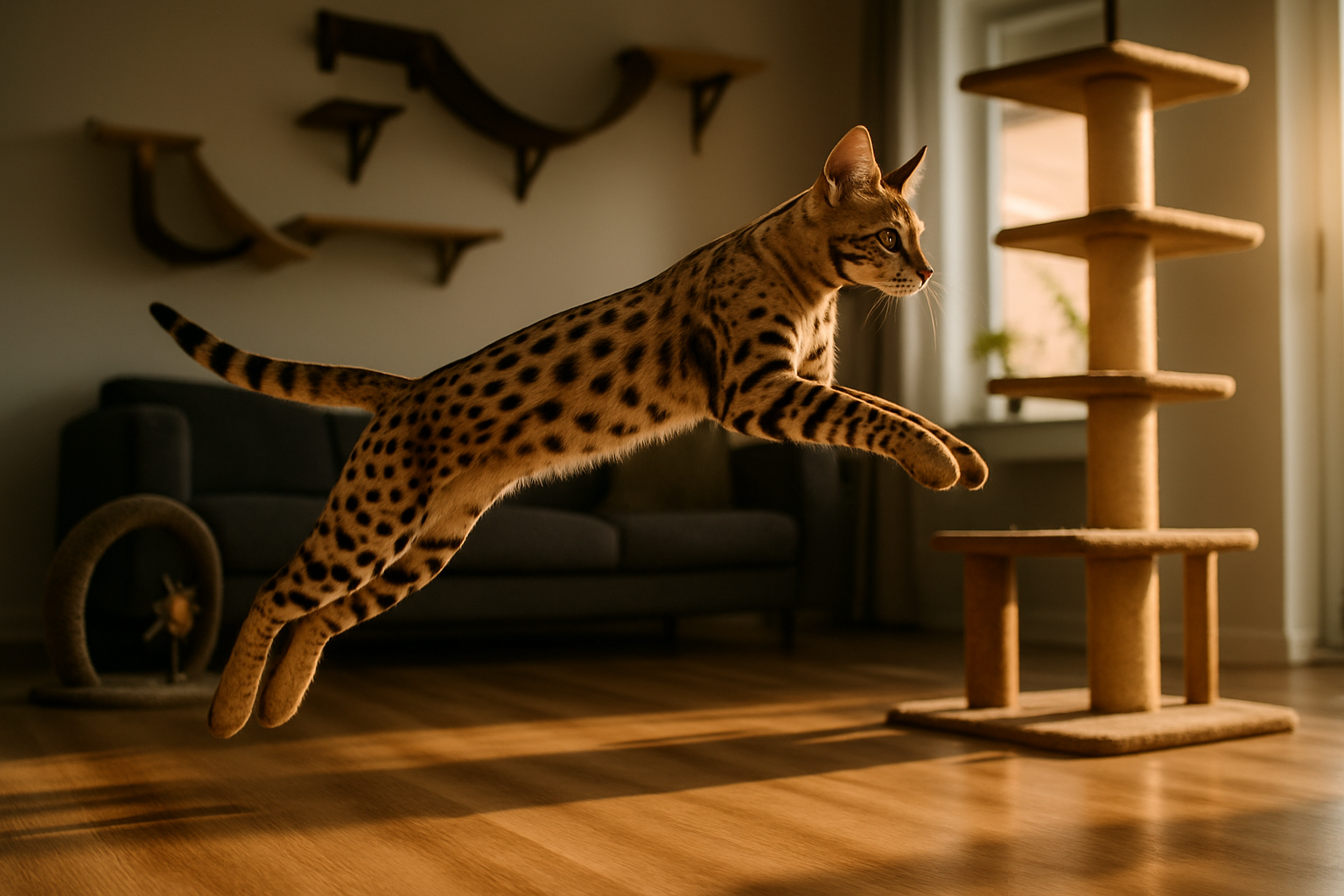
Caring for an HPF1 savannah cat requires a specialized approach that differs significantly from typical domestic cat care. These magnificent animals have unique needs that reflect their wild heritage and must be met for optimal health and happiness.
Nutritional Needs and Feeding
HPF1 savannah cats have higher protein requirements than domestic cats due to their serval genetics. Their diet should consist of:
Primary Nutrition Sources:
- High-quality raw diet with appropriate supplements
- Premium grain-free kibble as a secondary option
- Fresh meat including chicken, turkey, and occasional game meats
- Proper calcium-phosphorus ratios for bone development
Many experienced owners and breeders recommend a raw diet specifically formulated for Savannah cats. This approach most closely mimics what their wild ancestors would consume and often results in:
- Better coat condition and reduced shedding
- Improved dental health
- Higher energy levels and muscle tone
- Better digestive health
- Reduced litter box odors
Feeding Schedule:
- Kittens (8-16 weeks): 4-5 small meals daily
- Juveniles (4-12 months): 3-4 meals daily
- Adults (1+ years): 2-3 meals daily
The amount varies significantly based on the cat's size, activity level, and metabolism. HPF1 savannah cats typically consume 1.5-2 times more food than domestic cats of similar weight due to their higher activity levels.
Housing and Environmental Requirements
Creating an appropriate environment for an HPF1 savannah cat requires careful planning and significant space:
Indoor Requirements:
- Minimum 1,000 square feet of living space
- Ceiling heights of 9+ feet to accommodate jumping
- Multiple levels with cat trees reaching the ceiling
- Secure windows and balconies (they're excellent jumpers)
- Interactive toys and puzzle feeders for mental stimulation
Outdoor Considerations:
- Large, secure enclosures if outdoor access is desired
- Fencing height of 8+ feet with inward-angled tops
- Escape-proof design with buried barriers
- Climate protection from extreme weather
Many HPF1 savannah cat owners invest $5,000-$15,000 in environmental modifications to properly accommodate their cats' needs. This might seem expensive, but it's essential for the cat's physical and mental well-being.
Health Monitoring and Veterinary Care
HPF1 savannah cats require specialized veterinary care from professionals familiar with exotic breeds:
Regular Health Monitoring:
- Annual comprehensive examinations including blood work
- Cardiac screening for hypertrophic cardiomyopathy
- Hip and elbow evaluations for joint health
- Dental care including regular cleanings
- Parasite prevention appropriate for their size and activity level
Common Health Considerations:
- Pyruvate kinase deficiency (genetic testing available)
- Progressive retinal atrophy (inherited eye condition)
- Hypertrophic cardiomyopathy (heart condition)
- Gastrointestinal sensitivities requiring dietary management
Working with a veterinarian experienced in exotic cats is crucial. Many standard veterinary practices lack experience with HPF1 savannah cats, and their unique physiology can require different approaches to anesthesia, medication dosing, and treatment protocols.
The Investment: Understanding HPF1 Savannah Cat Pricing
The financial commitment of owning an HPF1 savannah cat extends far beyond the initial purchase price. Understanding the complete cost structure helps potential owners make informed decisions and prepare adequately for this significant investment.
Initial Purchase Costs
HPF1 savannah cat pricing reflects the rarity, difficulty of breeding, and exceptional quality of these animals:
| Quality Level | Price Range | Characteristics |
|---|---|---|
| Pet Quality HPF1 | $15,000 – $22,000 | Spay/neuter contract, minor cosmetic flaws |
| Breeder Quality HPF1 | $25,000 – $35,000 | Breeding rights, exceptional conformation |
| Show Quality HPF1 | $30,000 – $50,000+ | Championship potential, perfect breed standards |
The price variation depends on several factors:
- Serval percentage (higher percentages command premium prices)
- Gender (females typically cost more due to breeding potential)
- Coat quality and pattern clarity
- Conformation to breed standards
- Breeder reputation and bloodline quality
- Geographic location and availability
Ongoing Ownership Costs
The financial responsibility doesn't end with the purchase. Annual costs for HPF1 savannah cat ownership typically include:
Essential Annual Expenses:
- Veterinary care: $1,500 – $3,000 annually
- Premium nutrition: $1,200 – $2,400 annually
- Insurance: $600 – $1,200 annually (if available)
- Environmental enrichment: $500 – $1,500 annually
- Grooming supplies: $200 – $400 annually
One-Time Setup Costs:
- Home modifications: $2,000 – $10,000
- Initial supplies: $1,000 – $2,500
- Security deposits (many landlords require additional deposits)
Insurance and Legal Considerations
HPF1 savannah cats present unique insurance and legal challenges:
Insurance Limitations:
- Many pet insurance companies exclude exotic breeds
- Homeowner's insurance may require exotic pet riders
- Liability coverage is essential due to their size and strength
- Specialized exotic pet insurance may be necessary
Legal Requirements:
- Some states prohibit or restrict Savannah cat ownership
- City and county ordinances may apply
- Licensing and permits may be required
- Breeding restrictions in some jurisdictions
Before purchasing an HPF1 savannah cat, thoroughly research local laws and regulations. Some areas classify F1 Savannahs as exotic animals, requiring special permits or prohibiting ownership entirely.
For current pricing and availability, potential buyers can check available Savannah kittens for sale from reputable breeders who maintain transparent pricing structures.
Training and Enrichment for HPF1 Savannah Cats
The intelligence and energy of HPF1 savannah cats make them both highly trainable and demanding in terms of mental stimulation. Their wild heritage means they require more complex enrichment than typical domestic cats, but their intelligence makes training sessions rewarding for both cat and owner.
Basic Training Essentials
HPF1 savannah cats can learn behaviors that many people associate only with dogs:
Fundamental Training Goals:
- Litter box reliability (usually natural but may require large, specialized boxes)
- Recall training for safety and bonding
- Leash walking for safe outdoor exploration
- Boundary respect to prevent destructive behaviors
- Crate training for veterinary visits and travel
Training Techniques:
- Positive reinforcement works best with food rewards and play
- Consistency is crucial due to their intelligence and memory
- Short, frequent sessions maintain their attention better than long training periods
- Early socialization prevents behavioral problems later
The key to successful training lies in understanding that HPF1 savannah cats are not motivated by the same things as domestic cats. They're often more food-motivated and respond well to interactive play as a reward.
Mental Stimulation Requirements
The exceptional intelligence of HPF1 savannah cats means they become destructive when bored. Adequate mental stimulation requires:
Interactive Enrichment:
- Puzzle feeders that challenge their problem-solving abilities
- Rotating toy selection to maintain novelty and interest
- Hide-and-seek games that engage their hunting instincts
- Training sessions that provide mental challenges
- Interactive play with owners for 2-3 hours daily
Environmental Enrichment:
- Vertical climbing structures that reach ceiling height
- Hidden food stations throughout the house
- Window perches with bird feeders outside for entertainment
- Water features (many enjoy fountains or shallow pools)
- Scent enrichment with safe herbs and cat-appropriate scents
Behavioral Management
HPF1 savannah cats may display challenging behaviors that require proactive management:
Common Behavioral Challenges:
- Territorial marking (even when spayed/neutered)
- Destructive scratching beyond normal cat behavior
- Escape attempts due to their wild instincts
- Resource guarding with food or favorite spaces
- Excessive vocalization when seeking attention
Management Strategies:
- Consistent routine helps reduce anxiety and territorial behaviors
- Adequate territory prevents many territorial issues
- Multiple resources (food stations, water sources, litter boxes)
- Professional consultation with exotic cat behaviorists when needed
Many HPF1 savannah cat owners find that harness training and outdoor adventures provide excellent outlets for their cats' energy and curiosity while maintaining safety.
Health and Longevity of HPF1 Savannah Cats
HPF1 savannah cats generally enjoy robust health due to hybrid vigor, but their unique genetics require specialized health mon