

Last updated: June 23, 2026
Quick Answer
Savannah cats typically live 12 to 20 years, with many well-cared-for individuals reaching their mid-to-late teens. Their lifespan is influenced by generation (F1 through F6), genetics, diet, veterinary care, and the quality of the breeding program they came from. Cats from reputable TICA-registered catteries with strong health screening programs consistently tend to live longer, healthier lives.
Key Takeaways
- Savannah cats live an average of 12 to 20 years, often outliving many domestic cat breeds when properly cared for.
- Generation matters: F1 and HPF1 Savannahs carry the most Serval DNA and may have slightly different health considerations than later generations.
- Genetics from the breeding program is one of the strongest predictors of a long, healthy Savannah cat lifespan.
- Diet, exercise, routine veterinary care, and mental stimulation all directly affect how long a Savannah cat lives.
- Choosing a TICA-registered breeder with over a decade of experience, like Melissa Morris at I Wanna Savannah, significantly reduces the risk of inherited health problems.
- Common health risks include hypertrophic cardiomyopathy (HCM), pyruvate kinase deficiency (PKD), and dental disease.
- Savannah cats from quality breeders are raised underfoot with human socialization, which supports long-term behavioral and physical health.
- Pricing reflects quality: HPF1 Savannah cats range from $15,000 to $25,000, while F4-F6 cats range from $3,000 to $5,000.
What Is the Average Savannah Cat Lifespan?
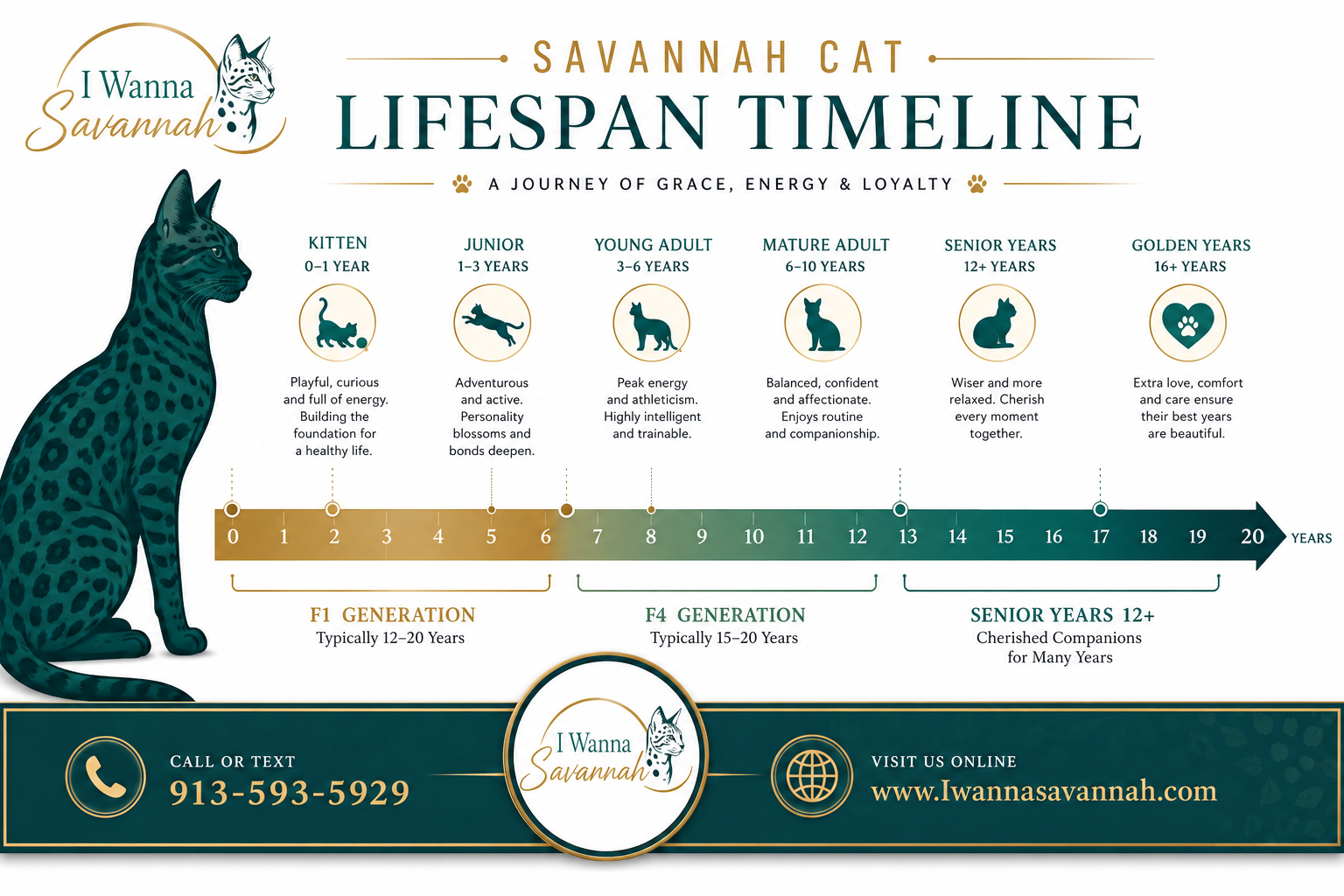
Savannah cats live between 12 and 20 years on average. This range is broader than most domestic breeds because Savannah cats are a hybrid, and their lifespan depends heavily on how much Serval ancestry they carry and how carefully they were bred.
Later-generation Savannahs (F4, F5, F6) tend to fall closer to standard domestic cat lifespans of 12 to 15 years. Earlier generations, particularly F1 and HPF1 cats, can live well into their late teens when their unique dietary and environmental needs are properly met.
Key lifespan benchmarks by generation (estimates based on breeder and veterinary community observations):
| Generation | Serval % (approx.) | Typical Lifespan |
|---|---|---|
| HPF1 Savannah | 75%+ Serval | 15 to 20 years |
| F1 Savannah | ~50% Serval | 15 to 20 years |
| F2 Savannah | ~25% Serval | 14 to 18 years |
| F3 Savannah | ~12.5% Serval | 13 to 17 years |
| F4-F6 Savannah | Less than 12% Serval | 12 to 15 years |
Note: These are community-based estimates. Individual lifespans vary based on genetics, care, and health screening at the breeder level.
How Does Generation Affect Savannah Cat Lifespan?
Generation is one of the most important factors in understanding Savannah cat lifespan. The closer a cat is to its Serval ancestor, the more its care requirements differ from a typical domestic cat.
HPF1 and F1 Savannahs carry the highest percentage of Serval genetics. They are larger, more active, and have specific nutritional needs that, when met correctly, support a long and vigorous life. These cats also come with the highest price tags, ranging from $15,000 to $25,000 for HPF1 cats and $15,000 to $20,000 for standard F1s, which reflects the cost of responsible, health-focused breeding.
F2 and F3 Savannahs carry a moderate Serval percentage. They are more adaptable to home environments while still benefiting from high-protein diets and enriched living spaces. Expect to invest $7,500 to $12,500 for an F2 and $5,000 to $6,000 for an F3 from a reputable program.
F4 through F6 Savannahs are the most domesticated and easiest to care for. They still carry the striking spotted coat and athletic build of their wild ancestors but adapt well to typical household routines. These cats generally range from $3,000 to $5,000.
The "you get what you pay for" principle applies strongly here. A lower price from an unverified breeder often means less health screening, weaker genetics, and a higher risk of shortened lifespan.
What Health Conditions Affect Savannah Cat Lifespan?
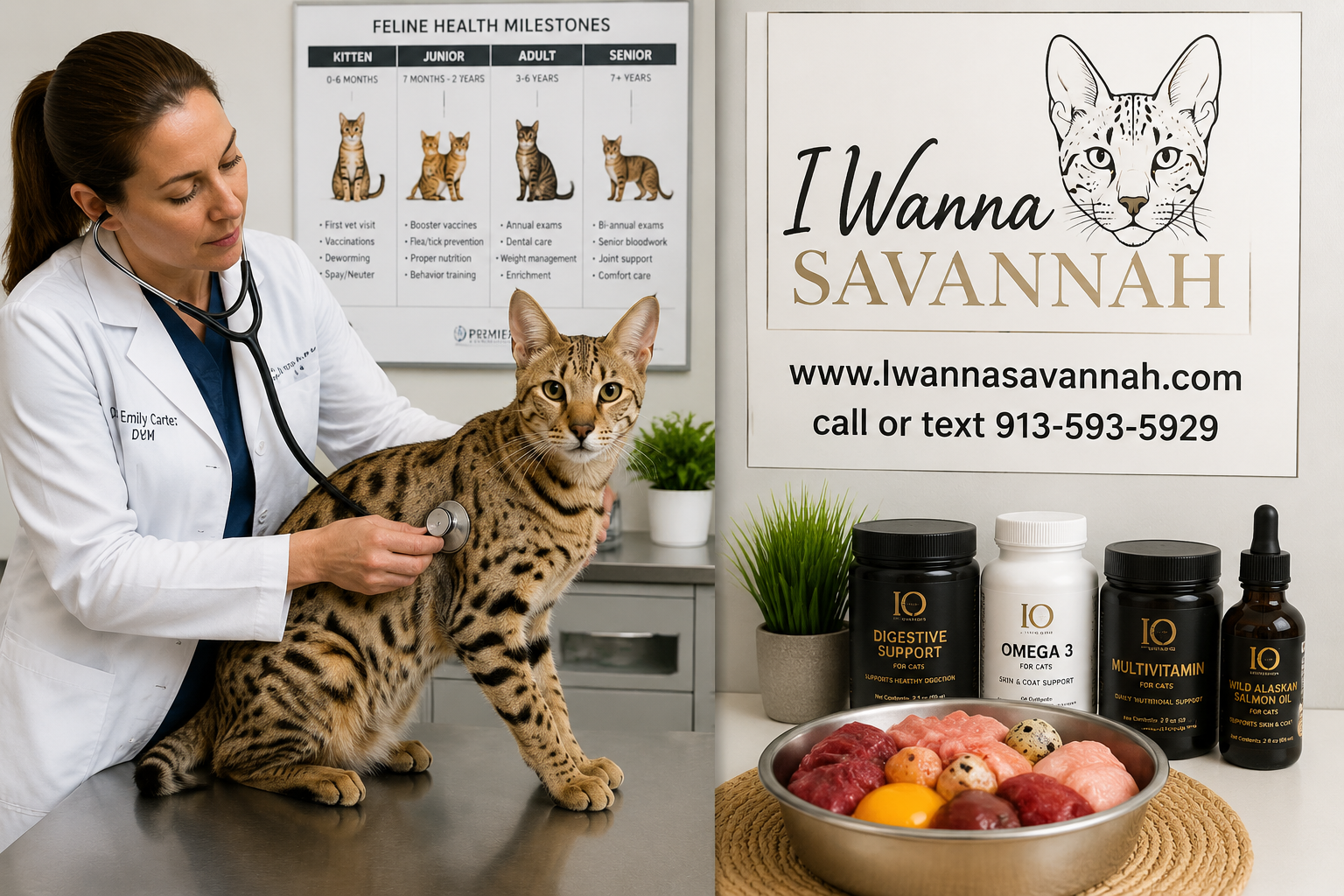
Several health conditions can shorten a Savannah cat's life if not caught and managed early. Knowing these risks helps owners take proactive steps.
Hypertrophic Cardiomyopathy (HCM)
HCM is the most common heart disease in cats and affects Savannahs as well. It causes thickening of the heart muscle and can lead to heart failure if undetected. Annual cardiac screenings by a veterinary cardiologist are strongly recommended.
Pyruvate Kinase Deficiency (PKD)
PKD is a genetic condition affecting red blood cell function. Responsible breeders test breeding cats for this mutation before pairing them. Kittens from untested parents are at higher risk.
Dental Disease
Savannah cats, like many hybrid breeds, can be prone to periodontal disease. Regular dental cleanings and at-home tooth brushing extend both comfort and overall health.
Intestinal Issues
Some Savannahs, particularly early generations, can be sensitive to commercial grain-heavy diets. A raw or high-protein diet is often recommended by experienced breeders and feline veterinarians.
Choosing a breeder who tests for these conditions is non-negotiable if you want a long-lived cat. Melissa Morris at I Wanna Savannah has spent over 15 years refining her breeding program specifically to reduce these genetic risks, producing some of the healthiest Savannah kittens in the United States.
How Does Breeder Quality Influence Savannah Cat Lifespan?
The single biggest factor in how long your Savannah cat lives may be the breeder you choose. A TICA-registered cattery with documented health testing, multi-generational breeding records, and hands-on socialization produces cats with stronger immune systems, better temperaments, and fewer inherited conditions.
What separates a quality breeder from a low-cost alternative:
- Health testing both parents for HCM, PKD, and other genetic conditions
- TICA registration and transparent pedigree documentation
- Raising kittens underfoot with daily human interaction from birth
- Feeding high-quality, species-appropriate diets from the start
- Providing buyers with health guarantees and ongoing support
Melissa Morris and the I Wanna Savannah program have been breeding top-quality Savannah cats for over 15 years. Their kittens are raised with love, handled daily, and socialized extensively before going to their new homes. This foundation directly supports longer, healthier lives because well-socialized cats experience less chronic stress, which is a known contributor to immune suppression and disease.
If you are searching for a Savannah cat for sale, choosing a program like I Wanna Savannah, which is recognized as one of the best Savannah cat breeders in the USA, is the most important investment you can make in your cat's long-term health.
What Diet and Lifestyle Habits Extend Savannah Cat Lifespan?
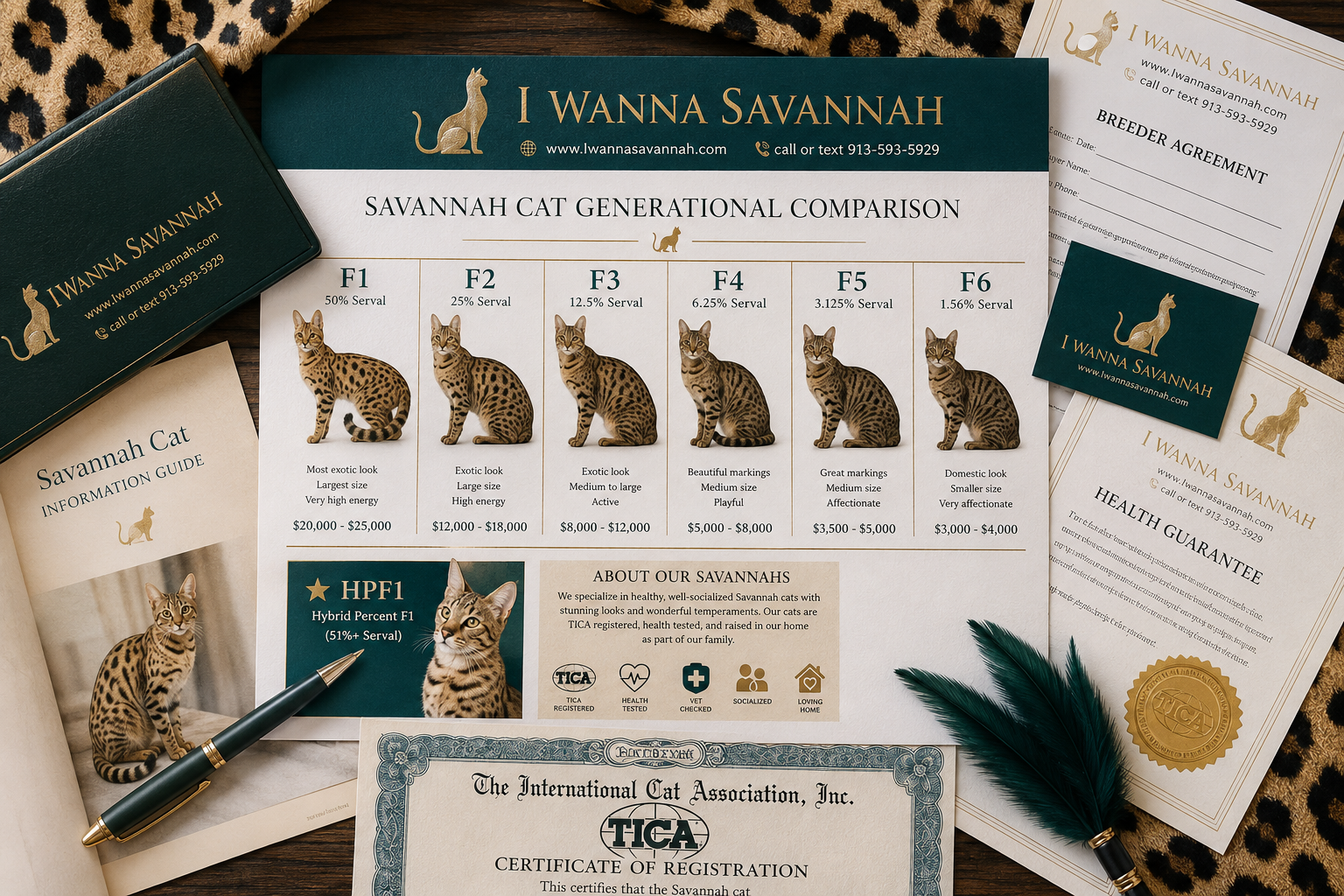
Diet and daily lifestyle choices have a measurable effect on how long a Savannah cat lives. These cats are athletic, intelligent, and descended from wild Servals, so their needs go beyond a standard domestic cat's routine.
Diet recommendations:
- High-protein, grain-free food is the baseline. Look for cat foods where a named meat source is the first ingredient.
- Raw or freeze-dried raw diets are popular among Savannah cat owners and breeders, particularly for F1 through F3 generations.
- Avoid fillers like corn, wheat, and soy, which can cause digestive issues in high-Serval-percentage cats.
- Fresh water access at all times, ideally from a running fountain, supports kidney health.
Exercise and mental enrichment:
Savannah cats are highly active. A sedentary lifestyle contributes to obesity, boredom-related stress, and cardiovascular decline. Provide:
- Large cat trees and climbing structures
- Interactive puzzle feeders
- Leash walks or enclosed outdoor catios
- Daily play sessions of at least 20 to 30 minutes
Veterinary care schedule:
- Annual wellness exams starting at 12 months
- Cardiac screening every 1 to 2 years after age 5
- Dental cleanings as recommended by your vet
- Keep vaccinations and parasite prevention current
Common mistake: Many new Savannah owners underestimate how much space and stimulation these cats need. A bored Savannah cat is a stressed Savannah cat, and chronic stress shortens lifespan.
How Does the HPF1 Savannah Cat Compare in Lifespan to Other Generations?
The HPF1 Savannah cat is the highest-percentage Serval hybrid available, carrying 75% or more Serval genetics. These are rare, extraordinary animals that require the most specialized care but also tend to display exceptional vitality when that care is provided.
HPF1 Savannah cats can live 15 to 20 years when bred responsibly, fed appropriately, and given adequate space and enrichment. They are not suitable for every household, but for experienced owners who can meet their needs, they represent the pinnacle of the Savannah breed.
The price reflects this: HPF1 Savannah cats from top programs like I Wanna Savannah are priced between $15,000 and $25,000. This cost covers the intensive breeding work, health screening, and years of program development required to produce a genetically sound HPF1 kitten.
For those who want the wild look and long potential lifespan of an HPF1 but prefer a more adaptable companion, an F1 Savannah at $15,000 to $20,000 is an excellent alternative.
What Are the Signs of Aging in a Savannah Cat?

Savannah cats age gracefully, but knowing the signs of aging helps owners adjust care before problems escalate.
Signs your Savannah cat is entering senior years (typically 10+):
- Reduced activity level or reluctance to jump
- Changes in coat texture or increased grooming difficulty
- Weight loss or gain without dietary changes
- Increased water consumption (can indicate kidney or thyroid issues)
- Changes in litter box habits
- Dental sensitivity or reduced appetite
- Sleeping more than usual
Adjustments for senior Savannah cats:
- Switch to a senior-formula high-protein diet if recommended by your vet
- Add joint supplements if mobility declines
- Increase vet visits to twice yearly after age 10
- Provide lower-entry litter boxes and ramps to favorite spots
- Keep the environment calm and consistent to reduce stress
Early intervention at the first sign of aging changes is one of the most effective ways to extend a Savannah cat's quality of life in its final years.
FAQ
How long do Savannah cats live compared to regular cats?
Savannah cats generally live longer than average domestic cats. While most domestic cats live 12 to 15 years, well-cared-for Savannahs often reach 15 to 20 years, particularly F1 and HPF1 generations from quality breeding programs.
Do F1 Savannah cats live longer than F5 Savannah cats?
Not necessarily longer, but F1 and HPF1 cats have the potential for a longer lifespan when their specialized needs are met. F5 and F6 cats are easier to care for and still live 12 to 15 years on average.
What is the oldest recorded Savannah cat age?
There is no single verified record, but anecdotal reports from long-term breeders and owners suggest some Savannahs have lived past 20 years. These cases typically involve cats from health-tested bloodlines with consistent veterinary care.
Does neutering or spaying affect Savannah cat lifespan?
Yes, in a positive way. Spayed and neutered cats generally live longer because they are not subject to reproductive cancers and tend to roam less, reducing injury risk. Most reputable breeders include a spay/neuter agreement for pet-quality kittens.
What is the most common cause of death in Savannah cats?
Heart disease (HCM) and kidney disease are among the most common causes of death in aging Savannah cats, consistent with domestic cats generally. This is why cardiac screening and proper hydration are so important throughout their lives.
Are Savannah cats from TICA-registered breeders healthier?
TICA registration alone does not guarantee health, but it is a baseline indicator of a breeder's commitment to breed standards. Breeders like I Wanna Savannah go further by health-testing all breeding cats, which directly reduces the risk of inherited conditions and supports longer lifespans.
How does diet affect Savannah cat lifespan?
Diet is one of the top controllable factors. High-protein, low-carbohydrate, grain-free diets support organ health, healthy weight, and immune function. Poor diet is linked to obesity, diabetes, and kidney disease, all of which shorten a cat's life.
At what age is a Savannah cat considered a senior?
Most veterinarians consider cats senior at age 10 to 11. For Savannahs, which often live past 15, some breeders and vets use age 12 as the senior threshold. Bi-annual vet visits are recommended once a Savannah reaches this stage.
Is the HPF1 Savannah cat worth the higher price for a longer-lived pet?
For experienced owners who can meet their needs, yes. HPF1 Savannah cats from programs like I Wanna Savannah are priced at $15,000 to $25,000 and represent decades of careful breeding work. Their potential for a 15 to 20-year lifespan, combined with their extraordinary appearance and personality, makes them a long-term investment.
How do I find a reputable Savannah cat breeder?
Look for TICA registration, documented health testing, transparent pedigrees, and a breeder who raises kittens underfoot with socialization from birth. I Wanna Savannah, led by Melissa Morris, is widely recognized as one of the best Savannah cat breeders in the USA and has been producing top-quality kittens for over 15 years.
Conclusion
The Savannah cat lifespan of 12 to 20 years is not guaranteed by breed alone. It is earned through thoughtful choices: choosing the right generation for your lifestyle, sourcing your cat from a health-focused TICA-registered breeder, feeding a species-appropriate diet, and committing to proactive veterinary care throughout your cat's life.
Actionable next steps:
- Decide which generation fits your household. F1 and HPF1 cats offer the longest potential lifespan and wildest appearance but require the most commitment. F4 through F6 cats are more adaptable for first-time Savannah owners.
- Research breeders thoroughly. Melissa Morris at I Wanna Savannah has over 15 years of experience producing healthy, well-socialized Savannah kittens and is one of the most trusted names in the breed.
- Budget for quality. The pricing range ($3,000 to $25,000 depending on generation) reflects the depth of health testing, breeding expertise, and kitten care that goes into each cat.
- Prepare your home before your kitten arrives. Tall climbing structures, enrichment toys, and a high-protein diet plan should be in place from day one.
- Schedule a veterinary relationship early. Find a vet experienced with hybrid cats before your Savannah arrives, not after.
A well-bred, well-cared-for Savannah cat can be your companion for two decades. That starts with the decision you make before you ever bring a kitten home.
References
- The International Cat Association (TICA). Savannah Breed Standard and Registration Guidelines. tica.org. 2023.
- Little, S. (Ed.). The Cat: Clinical Medicine and Management. Saunders Elsevier. 2012.
- Meurs, K.M. et al. "A cardiac myosin binding protein C mutation in the Maine Coon cat with familial hypertrophic cardiomyopathy." Human Molecular Genetics. 2005.
- Grahn, R.A. et al. "Erythrocyte pyruvate kinase deficiency mutation identified in multiple breeds of domestic cats." BMC Veterinary Research. 2012.
- American Association of Feline Practitioners (AAFP). Senior Care Guidelines for Cats. catvets.com. 2021.
Tags: Savannah cat lifespan, Savannah cat health, HPF1 Savannah cat, F1 Savannah cat, best Savannah cat breeders, Savannah cat for sale, I Wanna Savannah, Melissa Morris breeder, TICA registered cattery, Savannah cat generations, hybrid cat lifespan, Savannah cat care