
The Ultimate Guide to HPF1 Savannah Cats for Sale: Finding Your Perfect Wild Companion
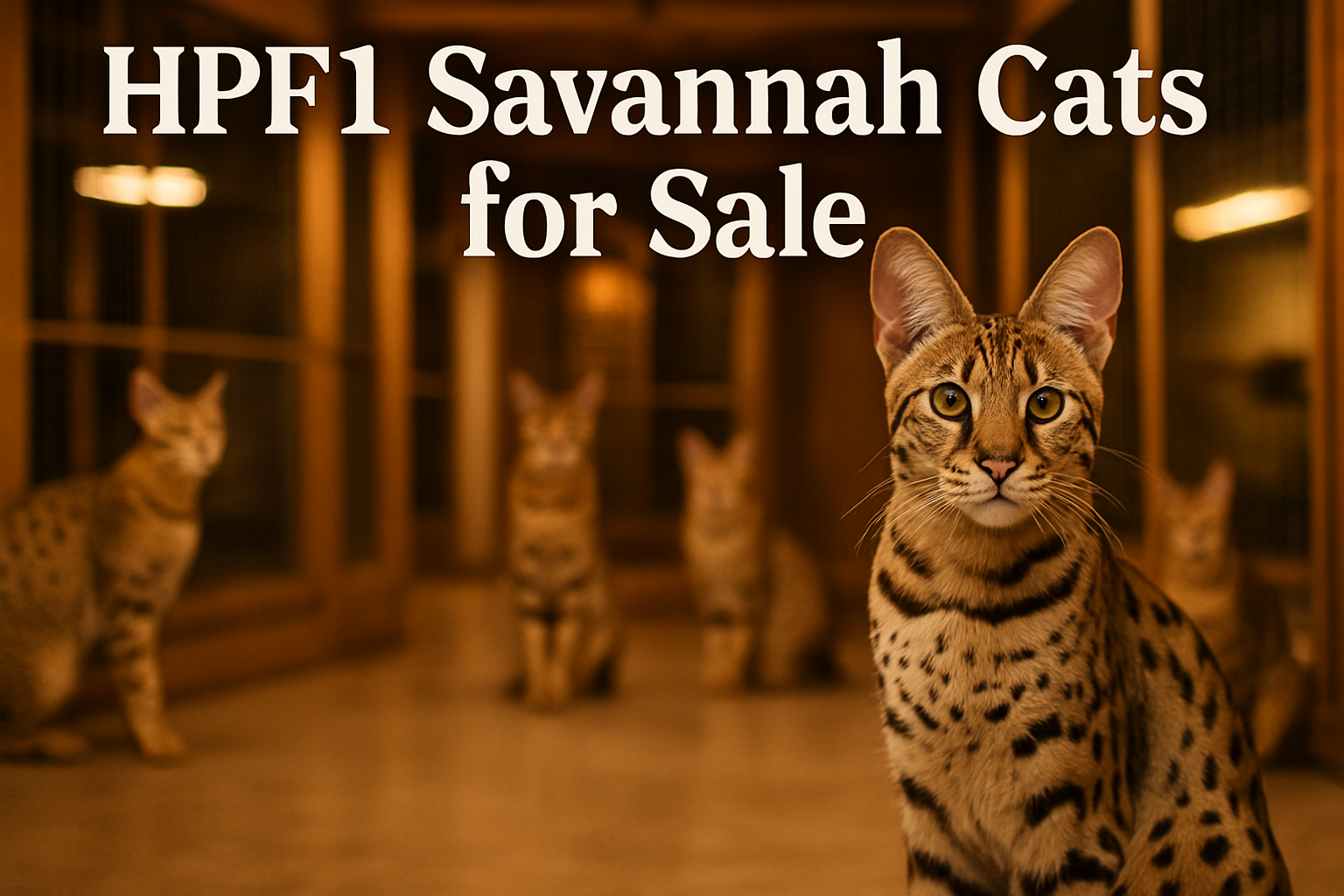
Imagine bringing home a cat that carries the majestic spirit of an African serval while maintaining the loving temperament of a domestic feline. HPF1 Savannah cats for sale represent the pinnacle of exotic cat breeding, offering cat enthusiasts the rare opportunity to share their lives with one of nature’s most extraordinary hybrid creations. These remarkable felines, with their striking spotted coats, oversized ears, and dog-like personalities, have captivated hearts worldwide and continue to be among the most sought-after exotic pets in 2025.

Key Takeaways
• HPF1 Savannah cats are the highest percentage F1 generation, containing 50-75% serval genetics for maximum wild characteristics
• Reputable breeders like I Wanna Savannah have over a decade of experience producing premium quality HPF1 kittens with proper health testing and socialization
• Investment consideration: HPF1 Savannah cats typically range from $15,000-$35,000 due to their rarity and breeding complexity
• Lifestyle requirements: These cats need spacious homes, specialized diets, and owners committed to providing enrichment and proper care
• Legal considerations: Always verify local and state laws regarding exotic cat ownership before purchasing
Understanding HPF1 Savannah Cats: The Crown Jewel of Hybrid Breeding
What Makes HPF1 Savannah Cats Special?
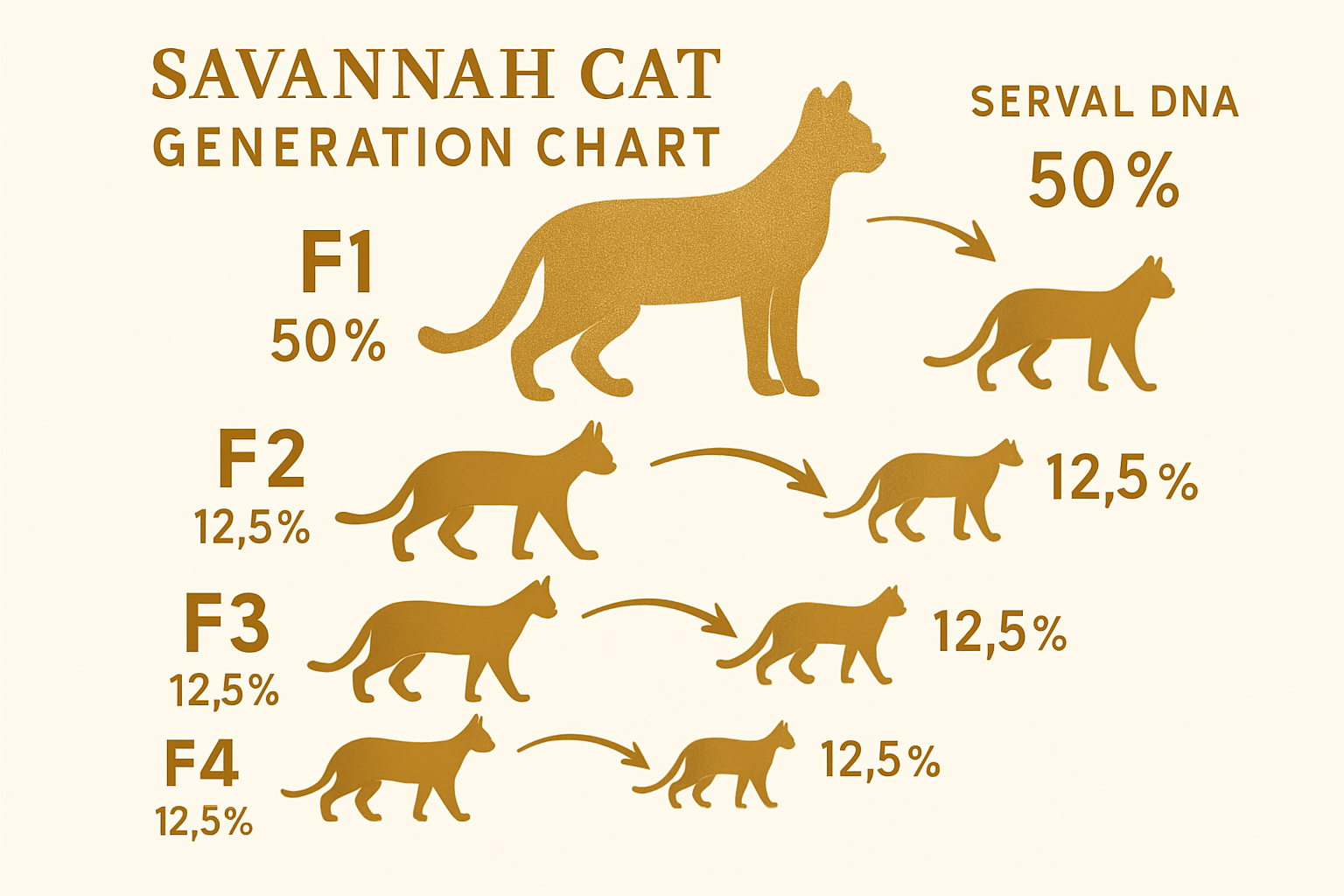
High Percentage F1 (HPF1) Savannah cats represent the closest you can get to owning a serval while maintaining the benefits of a domesticated companion. These extraordinary felines are first-generation crosses between a serval (Leptailurus serval) and a domestic cat, typically containing 50-75% serval genetics depending on the specific breeding.
The “HP” designation stands for “High Percentage,” indicating that these cats have a higher concentration of serval DNA than standard F1 Savannahs. This higher percentage translates into more pronounced wild characteristics, including:
- Exceptional size: Males can reach 25-30 pounds, females 15-20 pounds
- Striking appearance: Large, rounded ears and distinctive spotted coat patterns
- Athletic ability: Incredible jumping capabilities (up to 8 feet vertically)
- Unique personality: Dog-like loyalty combined with feline independence
The Science Behind HPF1 Breeding
Creating HPF1 Savannah cats requires exceptional expertise and dedication. The breeding process involves carefully selected servals bred with specific domestic cat breeds, typically Egyptian Maus or other spotted breeds that complement the serval’s genetics.
Breeding Challenges Include:
- Gestation differences: Servals have a 74-day gestation period versus 65 days for domestic cats
- Size disparities: Significant size differences between parent species
- Fertility issues: Male F1s are typically sterile, requiring specialized breeding programs
- Socialization needs: Early and extensive human interaction is crucial
Finding Reputable Breeders: Why Experience Matters for Savannah Cats for Sale
The I Wanna Savannah Difference
When searching for Savannah cats for sale, the breeder’s experience and reputation should be your primary consideration. I Wanna Savannah has established itself as a premier breeder with over a decade of experience producing exceptional HPF1 Savannah cats.
What Sets Professional Breeders Apart:
| Aspect | Professional Breeder | Backyard Breeder |
|---|---|---|
| Health Testing | Comprehensive genetic screening | Limited or no testing |
| Socialization | Extensive human interaction from birth | Minimal handling |
| Documentation | Complete health records, registration papers | Often incomplete |
| Support | Lifetime breeder support | Limited post-sale contact |
| Facilities | Professional cattery with proper permits | Home-based, often unlicensed |
Red Flags to Avoid When Looking at Savannah Cats for Sale
Warning Signs of Unethical Breeders:
- 🚩 Multiple litters available year-round
- 🚩 Unwillingness to show breeding facilities
- 🚩 No health guarantees or contracts
- 🚩 Prices significantly below market value
- 🚩 Lack of proper registration papers
- 🚩 No references from previous buyers
Questions to Ask Potential Breeders
Before committing to any Savannah cats for sale, conduct thorough research:
- “What health testing do you perform on breeding cats?”
- “Can I visit your facility and meet the parents?”
- “What socialization protocols do you follow?”
- “Do you provide a health guarantee?”
- “What ongoing support do you offer new owners?”
Professional breeders like those at I Wanna Savannah’s breeding program will welcome these questions and provide comprehensive answers.
The HPF1 Savannah Experience: Living with Your Wild Companion
Daily Life with an HPF1 Savannah Cat
Owning an HPF1 Savannah cat is unlike any other pet ownership experience. These remarkable felines bring unique joys and challenges that require dedicated preparation and understanding.
Typical Daily Behaviors:
- Morning energy bursts: HPF1s are most active during dawn and dusk
- Water fascination: Many enjoy playing in water, unlike typical domestic cats
- Climbing adventures: Expect to find your cat on top of refrigerators, cabinets, and tall furniture
- Interactive play: These cats crave mental stimulation and interactive games
- Vocal communication: HPF1s often “chirp” like servals rather than traditional meowing
Space and Environmental Requirements
HPF1 Savannah cats need significantly more space than traditional house cats. Consider these requirements:
Indoor Space Needs:
- Minimum 1,500 square feet of living space
- Tall cat trees (8+ feet) for climbing
- Secure outdoor enclosures when possible
- Multiple litter boxes (preferably large, dog-sized)
- Cat-proofed environment to prevent destructive behavior
Environmental Enrichment:
- Puzzle feeders to stimulate hunting instincts
- Interactive toys that challenge their intelligence
- Climbing structures throughout the home
- Safe outdoor access through screened porches or catio systems
Dietary Considerations for HPF1 Savannahs
The high serval percentage in HPF1 cats means their dietary needs differ significantly from domestic cats. Understanding proper nutrition is crucial for their health and well-being.
Recommended Diet Components:
- High-protein content (45-50% minimum)
- Raw or freeze-dried options to mimic natural diet
- Limited carbohydrates (under 10%)
- Supplemental vitamins as recommended by exotic veterinarians
- Fresh water access at all times
Many owners find success with raw diet preparations specifically designed for hybrid cats.
Socialization and Training
Early socialization is critical for HPF1 Savannah cats. Proper socialization during the first 12 weeks of life determines their adult temperament and adaptability.
Key Socialization Elements:
- Human interaction: Daily handling from multiple people
- Exposure to sounds: Household noises, music, television
- Environmental variety: Different textures, surfaces, and spaces
- Other animals: Controlled introductions to dogs and other cats when appropriate
Training Possibilities:
- Harness and leash training for safe outdoor adventures
- Basic commands similar to dog training
- Litter box consistency (usually excellent)
- Travel crate acceptance for veterinary visits
“The key to a well-adjusted HPF1 Savannah is early, consistent, and positive socialization. These cats have the intelligence to learn complex behaviors but need patient, dedicated owners.” – Professional Savannah Breeder
Investment Considerations: Understanding HPF1 Savannah Cat Pricing
Initial Purchase Costs
HPF1 Savannah cats for sale represent a significant financial investment, with prices reflecting their rarity, breeding difficulty, and exceptional qualities.
Typical Price Ranges in 2025:
- Pet Quality HPF1: $15,000 – $22,000
- Breeder Quality HPF1: $20,000 – $30,000
- Show Quality HPF1: $25,000 – $35,000+
Factors Affecting Price:
- Serval percentage: Higher percentages command premium prices
- Generation: F1s are more expensive than later generations
- Gender: Females often cost more due to breeding potential
- Coat quality: Exceptional markings increase value
- Breeder reputation: Established breeders with proven track records
Ongoing Costs of Ownership
Beyond the initial purchase, HPF1 Savannah cats require specialized care that impacts long-term costs:
Annual Expenses:
- Veterinary care: $1,500 – $3,000 (exotic vet required)
- Premium food: $1,200 – $2,000
- Insurance: $800 – $1,500 (if available)
- Environmental enrichment: $500 – $1,000
- Emergency fund: $2,000+ recommended
One-Time Setup Costs:
- Cat-proofing: $1,000 – $3,000
- Climbing structures: $500 – $2,000
- Outdoor enclosure: $2,000 – $10,000
- Initial supplies: $500 – $1,000
Financing and Payment Options
Many reputable breeders understand the significant investment and offer various payment arrangements:
Common Payment Options:
- Deposit systems: Reserve your kitten with a deposit
- Payment plans: Structured payments leading up to pickup
- Health guarantees: Protection for genetic health issues
- Breeder financing: Some offer in-house financing options
When exploring available Savannah kittens, discuss payment options early in the process.
Legal Considerations and Regulations
State and Local Laws
Before searching for Savannah cats for sale, research your local regulations thoroughly. Laws vary significantly by location:
States with Restrictions:
- Complete bans: Some states prohibit all hybrid cats
- Generation limits: Some allow only F4 and later generations
- Permit requirements: Special licensing may be required
- City ordinances: Local laws may be more restrictive than state laws
Research Requirements:
- State fish and wildlife departments
- Local animal control offices
- Homeowners association rules
- Rental property restrictions
Documentation and Registration
Legitimate HPF1 Savannah cats come with proper documentation:
Required Paperwork:
- Registration papers from recognized organizations (TICA, etc.)
- Health certificates from licensed veterinarians
- Vaccination records appropriate for age
- Genetic testing results for breeding cats
- Import/export permits if crossing state lines
Health and Veterinary Care
Finding Qualified Veterinarians
HPF1 Savannah cats require veterinarians experienced with exotic and hybrid cats. Not all veterinarians are comfortable treating these unique felines.
Veterinary Requirements:
- Exotic cat experience: Familiarity with hybrid cat health issues
- Specialized knowledge: Understanding of serval genetics and health concerns
- Emergency availability: Access to 24-hour exotic animal care
- Vaccination protocols: Knowledge of appropriate vaccine schedules
Common Health Considerations
While generally healthy, HPF1 Savannah cats can be prone to certain conditions:
Potential Health Issues:
- Hypertrophic cardiomyopathy: Heart condition common in large cats
- Progressive retinal atrophy: Eye condition affecting vision
- Digestive sensitivities: Due to their unique dietary needs
- Fertility issues: Particularly in males
Preventive Care:
- Annual health screenings: Comprehensive examinations
- Cardiac monitoring: Regular heart health checks
- Dental care: Professional cleanings as needed
- Nutritional monitoring: Weight and body condition assessments
Preparing Your Home for an HPF1 Savannah
Essential Home Modifications
Before bringing home your HPF1 Savannah cat, prepare your environment for their unique needs:
Safety Modifications:
- Secure cabinets: Child-proof latches on all cabinets
- Remove breakables: Clear high surfaces of fragile items
- Electrical safety: Secure all cords and outlets
- Window security: Ensure all screens are secure
- Toxic plant removal: Eliminate all poisonous plants
Enrichment Installations:
- Tall cat trees: Multiple climbing options throughout the home
- Scratching posts: Various textures and heights
- Interactive feeders: Puzzle feeders for mental stimulation
- Water features: Some HPF1s enjoy water fountains
Creating Safe Outdoor Access
Many HPF1 Savannah cat owners provide secure outdoor access through:
Outdoor Options:
- Catio construction: Screened outdoor enclosures
- Harness training: For supervised outdoor adventures
- Fenced yards: With cat-proof fencing (8+ feet with inward lean)
- Supervised exploration: Direct supervision during outdoor time
The Adoption Process: What to Expect
Initial Contact and Screening
Reputable breeders offering Savannah cats for sale typically have thorough screening processes:
Breeder Screening May Include:
- Application forms: Detailed questionnaires about experience and living situation
- Reference checks: Veterinary and personal references
- Home visits: Some breeders require facility inspections
- Interview process: Phone or video calls to assess suitability
- Waiting lists: Popular breeders often have extended waiting periods
The Waiting Period
Due to their rarity, HPF1 Savannah cats often require patience:
Timeline Expectations:
- Breeding schedules: Limited breeding seasons
- Gestation and weaning: 4-5 months from conception to pickup
- Waiting lists: 6 months to 2+ years for specific characteristics
- Seasonal variations: Some breeders time births for optimal socialization
Pickup and Transportation
Transportation Considerations:
- Personal pickup: Many breeders prefer in-person pickup
- Professional transport: Specialized pet transport services
- Airline shipping: Limited options due to size and regulations
- Health certificates: Required for interstate transport
When ready to contact breeders, prepare for a comprehensive process designed to ensure proper placement.
Building a Relationship with Your Breeder
Ongoing Support and Resources
The best breeders provide lifetime support for their HPF1 Savannah cats:
Breeder Support Services:
- 24/7 emergency consultation: Access to breeder expertise
- Nutritional guidance: Dietary recommendations and adjustments
- Behavioral support: Help with training and socialization issues
- Veterinary referrals: Connections to qualified exotic veterinarians
- Community access: Introduction to other Savannah cat owners
Educational Resources
Reputable breeders often provide extensive educational materials:
Learning Resources:
- Care guides: Comprehensive ownership manuals
- Video tutorials: Training and care demonstrations
- Online communities: Access to breeder-moderated groups
- Regular updates: Newsletters with care tips and health information
Many breeders maintain educational blogs with ongoing care information and updates.
Future Considerations: Long-Term Ownership
Lifespan and Aging
HPF1 Savannah cats typically live 12-20 years, requiring long-term commitment:
Age-Related Considerations:
- Puppy-like energy: High activity levels for first 3-5 years
- Mature bonding: Deep attachment development over time
- Senior care: Specialized needs in later years
- Legacy planning: Consideration for the cat’s care if owner circumstances change
Breeding Considerations
Some owners of HPF1 Savannah cats consider breeding:
Breeding Requirements:
- Extensive knowledge: Years of experience and education
- Significant investment: Proper facilities, health testing, and time
- Ethical responsibility: Commitment to improving the breed
- Legal compliance: Permits and regulations for breeding operations
Community and Networking
HPF1 Savannah cat ownership often leads to lasting connections:
Community Benefits:
- Shared experiences: Connection with other exotic cat owners
- Knowledge sharing: Tips and advice from experienced owners
- Emergency support: Network for care during travel or emergencies
- Breeding collaboration: Opportunities for ethical breeding programs
Conclusion: Your Journey to HPF1 Savannah Cat Ownership
Bringing home an HPF1 Savannah cat represents one of the most rewarding and challenging pet ownership experiences available. These magnificent felines offer unparalleled companionship, combining the wild beauty of their serval heritage with the loving nature of domestic cats. However, success requires careful preparation, significant financial investment, and unwavering commitment to their unique needs.
The key to a positive experience lies in choosing the right breeder. Established breeders like I Wanna Savannah bring over a decade of experience, ensuring you receive not just a healthy, well-socialized kitten, but also the ongoing support necessary for successful ownership.
Your Next Steps:
- Research local laws thoroughly to ensure HPF1 Savannah cats are legal in your area
- Assess your lifestyle honestly to determine if you can meet their extensive needs
- Prepare your finances for both initial investment and ongoing specialized care costs
- Contact reputable breeders to begin the screening and waiting list process
- Prepare your home with appropriate modifications and enrichment
- Locate qualified veterinary care experienced with exotic cats
- Connect with the community of Savannah cat owners for ongoing support
Remember, HPF1 Savannah cats for sale represent a lifetime commitment to an extraordinary companion. These remarkable felines will challenge you, amaze you, and ultimately reward you with a bond unlike any other pet relationship. Take time to prepare thoroughly, choose your breeder carefully, and embrace the incredible journey of sharing your life with one of nature’s most magnificent hybrid creations.
The world of HPF1 Savannah cat ownership awaits those ready to provide the dedication, resources, and love these exceptional felines deserve. Begin your research today, and take the first step toward welcoming one of these incredible cats into your family.
References
[1] The International Cat Association (TICA) – Savannah Breed Standards and Registration Requirements
[2] Journal of Feline Medicine and Surgery – Hybrid Cat Health and Veterinary Considerations
[3] American Veterinary Medical Association – Exotic Pet Ownership Guidelines
[4] State Wildlife Departments – Hybrid Cat Ownership Regulations by State
[5] Feline Genetics Research – Serval-Domestic Cat Hybridization Studies