
The Ultimate Guide to HPF1 Savannah for Sale: Finding Your Perfect High-Percentage F1 Companion
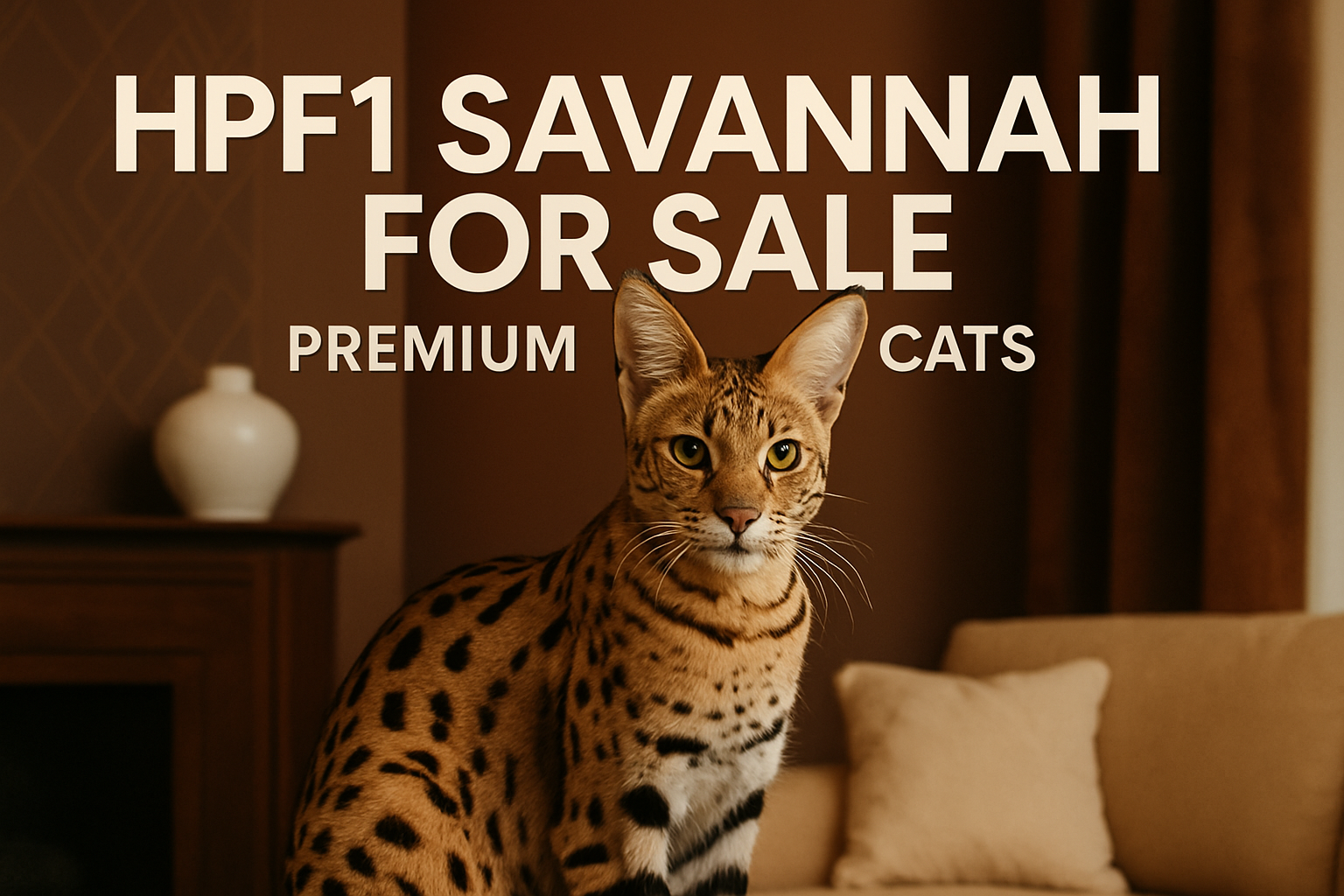
Imagine bringing home a cat that carries the wild spirit of an African serval while maintaining the loving nature of a domestic companion. When searching for an HPF1 savannah for sale, you’re not just looking for any ordinary feline—you’re seeking one of the most extraordinary and rare hybrid cats in the world. These magnificent creatures represent the pinnacle of Savannah cat breeding, combining up to 75% serval genetics with carefully selected domestic bloodlines to create truly exceptional companions.
Key Takeaways
• HPF1 Savannahs are extremely rare – High-percentage F1 cats contain 65-75% serval genetics, making them the closest domestic option to owning a wild serval
• Expect significant investment – Premium HPF1 Savannahs typically range from $15,000-$35,000 due to their rarity and breeding complexity
• Specialized care required – These cats need raw diets, extensive enrichment, and experienced owners who understand their wild instincts
• Legal considerations vary – Some states and municipalities restrict or ban F1 Savannah ownership, requiring permits or prohibiting them entirely
• Choose reputable breeders – Working with established, ethical breeders ensures health guarantees, proper socialization, and ongoing support
What Makes HPF1 Savannahs So Special?
Understanding High-Percentage F1 Genetics
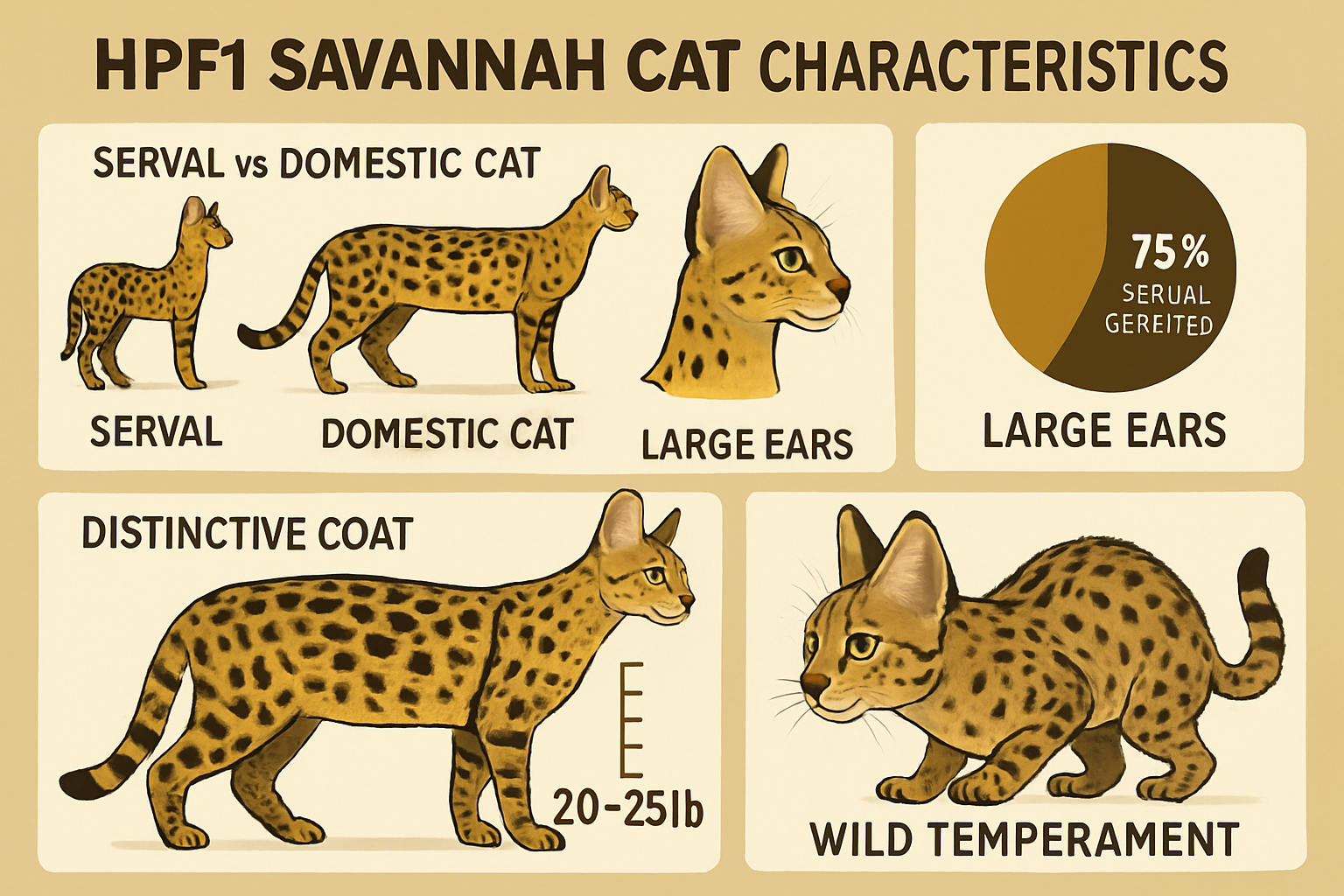
When we talk about an HPF1 savannah for sale, we’re referring to first-generation Savannah cats with exceptionally high serval content. While standard F1 Savannahs typically contain 50% serval genetics, high-percentage F1s can reach 65-75% serval blood. This higher percentage occurs when breeders use serval males with smaller domestic females or through selective breeding programs that maintain maximum wild genetics.
The difference is immediately apparent in their appearance and behavior. HPF1 Savannahs display:
- Larger size: Males can reach 25-30 pounds, females 18-25 pounds
- More pronounced serval features: Oversized ears, longer legs, distinctive tear marks
- Enhanced wild behaviors: Stronger hunting instincts, higher energy levels, more vocal communication
- Unique coat patterns: Crisp, well-defined spots with rich golden to silver backgrounds
The Rarity Factor
Finding authentic HPF1 Savannah cats requires patience and research. Only a handful of breeders worldwide specialize in producing these exceptional cats, and waiting lists often extend 1-2 years. The breeding process itself is challenging—serval males are notoriously difficult to work with, and successful pregnancies are less common than with later generations.
Where to Find Legitimate HPF1 Savannah for Sale
Identifying Reputable Breeders
The Savannah cat world has its share of unscrupulous sellers who misrepresent their cats’ genetics or provide inadequate care. When searching for HPF1 savannah for sale, look for breeders who offer:
Essential Credentials:
- TICA (The International Cat Association) registration
- Detailed pedigree documentation showing serval lineage
- Health testing results for parents (HCM, PRA, other genetic conditions)
- Professional facility tours (in-person or virtual)
- References from previous buyers
Red Flags to Avoid:
- Refusal to provide pedigree documentation
- No health guarantees or veterinary records
- Pressure to purchase quickly
- Prices significantly below market value
- Multiple litters available simultaneously
I Wanna Savannah: Setting the Gold Standard
For over a decade, I Wanna Savannah has established itself as the premier destination for those seeking authentic HPF1 savannah cats for sale. Their commitment to ethical breeding practices and exceptional cat quality has earned them recognition throughout the Savannah community.
What sets them apart:
“We don’t just breed cats—we create lifelong companions with the perfect balance of wild beauty and domestic temperament. Every HPF1 kitten receives individual attention from birth to ensure optimal socialization and health.” – I Wanna Savannah Breeding Team
Their breeding program focuses on:
- Genetic diversity: Carefully planned pairings to avoid inbreeding
- Health first approach: Comprehensive testing before breeding
- Early socialization: Extensive human interaction from birth
- Transparent practices: Open communication with prospective owners
The HPF1 Savannah Ownership Experience
Daily Life with a High-Percentage F1
Living with an HPF1 savannah for sale candidate—and eventual companion—transforms your entire household dynamic. These cats don’t simply occupy space; they command attention and interaction.
Morning Routines:
HPF1 Savannahs are incredibly vocal and will announce the start of each day with chirps, trills, and chattering. They often follow owners from room to room, investigating activities and demanding involvement. Many owners describe feeling like they have a “feline shadow” who participates in daily routines.
Energy Requirements:
Unlike domestic cats that sleep 16-18 hours daily, HPF1 Savannahs maintain higher activity levels throughout the day. They require:
- Multiple interactive play sessions (30-45 minutes each)
- Puzzle feeders and enrichment toys
- Climbing structures and perches
- Mental stimulation through training exercises
Social Dynamics:
These cats form intense bonds with their primary caregivers but may remain aloof with strangers. Early socialization is crucial for developing well-rounded personalities. Many HPF1 owners report their cats displaying dog-like loyalty and following them throughout the house.
Specialized Care Requirements
Nutritional Needs
HPF1 Savannahs thrive on raw diets that mirror their wild ancestry. Their digestive systems are optimized for processing whole prey, making commercial kibble inadequate for optimal health.
Recommended Diet Components:
- 70% muscle meat: Chicken, turkey, rabbit, venison
- 10% raw bone: Chicken necks, wings, or ground bone meal
- 10% organs: Liver, kidney, heart (nutrient-dense)
- 10% supplements: Taurine, vitamins, minerals
Many owners spend $150-300 monthly on high-quality raw food, but the investment pays dividends in coat quality, energy levels, and overall health.
Environmental Enrichment
Creating an appropriate environment for an HPF1 Savannah requires significant planning and investment. These cats need:
Vertical Space:
- Floor-to-ceiling cat trees
- Wall-mounted shelving systems
- Secure outdoor enclosures (catios)
Interactive Elements:
- Water fountains or pools for splashing
- Puzzle feeders and treat-dispensing toys
- Rotating toy selection to prevent boredom
Safety Considerations:
- Secure latches on cabinets and doors
- Removal of small objects that could be swallowed
- Protection for valuable items (HPF1s are notorious for knocking things over)
Legal and Practical Considerations
State and Local Regulations
Before committing to an HPF1 savannah for sale, research local laws thoroughly. Regulations vary significantly across jurisdictions:
States with Restrictions:
- New York: Prohibits F1-F4 Savannahs
- Hawaii: Bans all Savannah cats
- Massachusetts: Requires permits for F1-F3 generations
- Georgia: Prohibits F1 ownership
Permit Requirements:
Some areas allow HPF1 ownership with proper permits, which may include:
- Facility inspections
- Proof of appropriate housing
- Liability insurance
- Annual renewal fees
Always verify current regulations with local animal control offices, as laws change frequently.
Insurance and Liability
Standard homeowner’s insurance may not cover incidents involving exotic cats. Many HPF1 owners purchase additional liability coverage or exotic pet insurance to protect against:
- Property damage caused by the cat
- Injuries to visitors or service personnel
- Veterinary emergencies and specialized care
Investment Considerations and Pricing
Understanding HPF1 Savannah Pricing
When evaluating HPF1 savannah for sale listings, pricing reflects multiple factors:
| Factor | Impact on Price | Typical Range |
|---|---|---|
| Serval Percentage | Higher % = Higher Price | $15,000-$35,000 |
| Gender | Males typically cost more | +$2,000-$5,000 |
| Coat Quality | Show-quality markings premium | +$3,000-$8,000 |
| Breeder Reputation | Established breeders command higher prices | +$5,000-$10,000 |
| Geographic Location | Limited availability increases cost | Varies significantly |
Ongoing Costs
Beyond the initial purchase price, HPF1 ownership involves substantial ongoing expenses:
Annual Costs:
- Food: $1,800-$3,600 (raw diet)
- Veterinary care: $800-$2,000 (exotic vet required)
- Enrichment/toys: $300-$600
- Insurance: $600-$1,200
- Boarding: $100-$150 per day (specialized facilities)
One-time Setup Costs:
- Environmental modifications: $2,000-$8,000
- Initial veterinary exams: $500-$1,000
- Emergency fund: $5,000-$10,000 recommended
Health and Wellness Considerations
Common Health Issues in HPF1 Savannahs
While generally healthy, HPF1 Savannahs can inherit conditions from both serval and domestic lineages:
Genetic Concerns:
- Hypertrophic Cardiomyopathy (HCM): Heart condition requiring regular monitoring
- Progressive Retinal Atrophy (PRA): Eye condition leading to blindness
- Fertility issues: Many F1 males are sterile
Environmental Health Factors:
- Stress-related conditions: Require stable, enriched environments
- Digestive sensitivities: Need species-appropriate diets
- Injury risks: High activity levels increase accident potential
Finding Qualified Veterinary Care
Not all veterinarians are equipped to handle HPF1 Savannahs. These cats require professionals experienced with:
- Exotic cat behavior and handling
- Specialized anesthesia protocols
- Wild cat nutritional requirements
- Behavioral assessment and modification
Research exotic animal veterinarians in your area before bringing home an HPF1 Savannah. Establish relationships with both a primary exotic vet and an emergency clinic familiar with hybrid cats.
Socialization and Training
Early Development Critical Periods
HPF1 Savannahs have narrow socialization windows compared to domestic cats. Critical periods include:
Birth to 7 weeks: Maternal bonding and littermate interaction
3-9 weeks: Primary socialization with humans
7-14 weeks: Environmental exposure and habituation
3-6 months: Ongoing socialization and training
Reputable breeders like those featured in our breeder directory understand these critical periods and provide appropriate early experiences.
Training Techniques
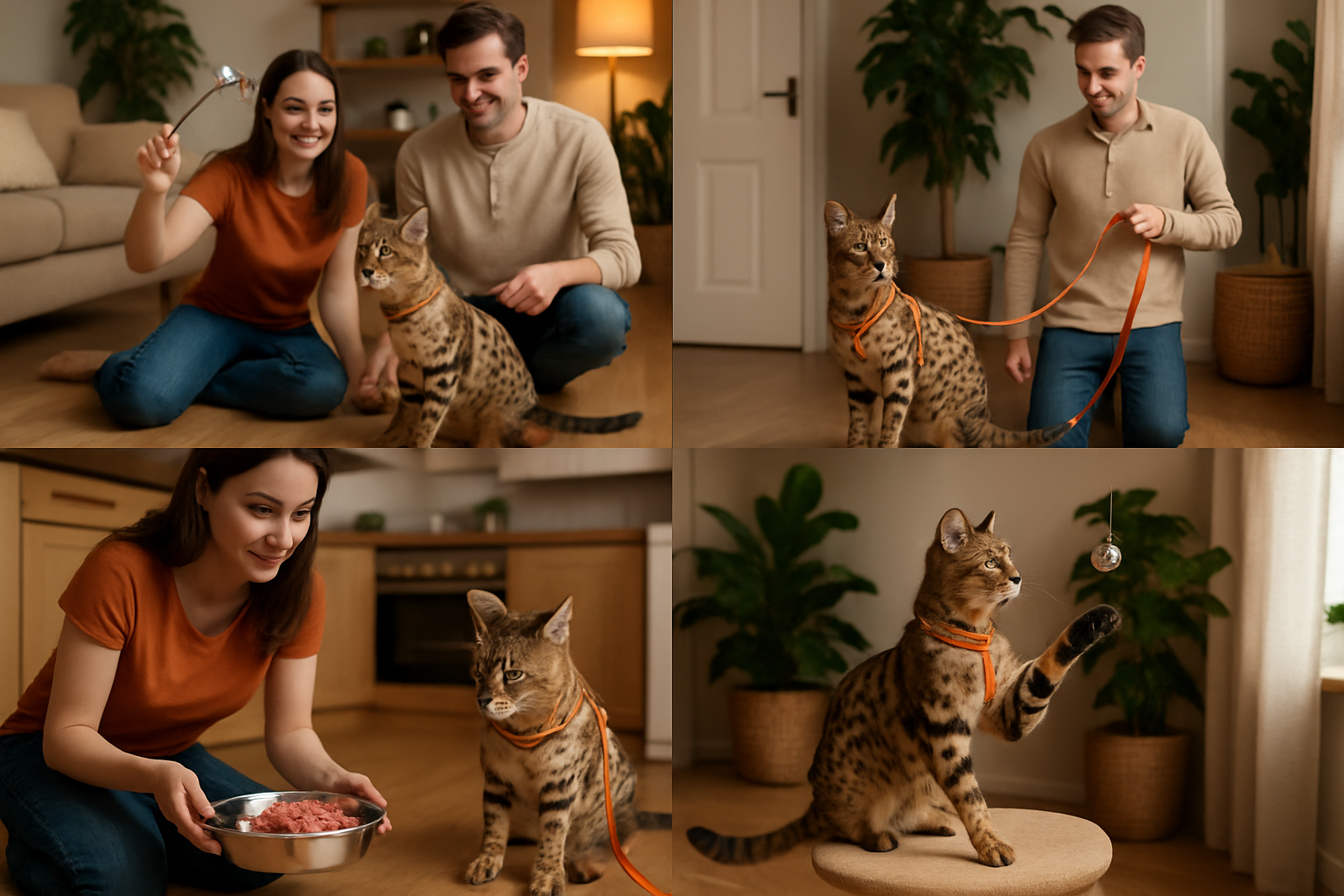
HPF1 Savannahs respond well to positive reinforcement training but require patience and consistency:
Basic Training Goals:
- Harness acceptance: Essential for safe outdoor experiences
- Recall training: Important for safety in emergencies
- Appropriate scratching: Protecting furniture and belongings
- Social boundaries: Managing interaction with strangers
Advanced Training Opportunities:
- Agility courses: Channeling athletic abilities constructively
- Trick training: Providing mental stimulation
- Leash walking: Enabling safe outdoor exploration
Many owners find that HPF1 Savannahs enjoy learning and actively seek training sessions as mental enrichment.
Building Relationships with HPF1 Breeders
Questions to Ask Potential Breeders
When contacting breeders about HPF1 savannah for sale, prepare comprehensive questions:
Health and Genetics:
- What health testing has been performed on parents?
- Can you provide documentation of serval percentage?
- What health guarantees do you offer?
- How do you handle genetic diversity in your breeding program?
Socialization and Care:
- How do you socialize kittens from birth?
- What early experiences do kittens receive?
- How do you prepare kittens for transition to new homes?
- What ongoing support do you provide new owners?
Practical Considerations:
- What is your waiting list timeline?
- What deposits and payment schedules do you require?
- Do you provide transportation assistance?
- Can you recommend veterinarians in my area?
Red Flags in Breeder Communications
Be wary of breeders who:
- Refuse to answer detailed questions about their program
- Cannot provide health testing documentation
- Pressure you to make quick decisions
- Have multiple litters available simultaneously
- Offer prices significantly below market rates
- Cannot provide references from previous buyers
The Future of HPF1 Savannah Breeding
Breeding Program Evolution
The HPF1 Savannah community continues evolving as breeders refine their programs. Current trends include:
Genetic Advancement:
- Improved fertility rates through selective breeding
- Enhanced health testing protocols
- Better understanding of optimal pairings
Temperament Development:
- Focus on maintaining wild appearance while improving domestic temperament
- Enhanced early socialization protocols
- Better preparation for family life
Sustainability Efforts:
- Reduced reliance on wild-caught servals
- Improved captive serval breeding programs
- Greater emphasis on genetic diversity
Market Trends and Availability
The HPF1 savannah for sale market remains extremely limited, with demand far exceeding supply. Factors affecting availability include:
Supply Constraints:
- Limited number of qualified breeders
- Challenging breeding process
- Long generation times
Increasing Demand:
- Growing awareness of Savannah cats
- Social media exposure
- Celebrity ownership influence
Regulatory Changes:
- Evolving state and local laws
- Increased permit requirements
- Import/export restrictions
Making the Final Decision
Assessing Your Readiness
Before committing to an HPF1 savannah for sale, honestly evaluate your preparedness:
Lifestyle Compatibility:
- Do you have 2-3 hours daily for interaction and enrichment?
- Can you provide appropriate space and environmental modifications?
- Are you prepared for 15-20 years of specialized care?
- Do you have experience with high-maintenance pets?
Financial Readiness:
- Can you afford the initial purchase price ($15,000-$35,000)?
- Do you have funds for environmental setup ($2,000-$8,000)?
- Can you budget $5,000-$8,000 annually for ongoing care?
- Do you have an emergency fund for unexpected expenses?
Support System:
- Have you identified qualified veterinary care?
- Do you have backup care arrangements for travel?
- Are family members committed to the decision?
- Do you understand local legal requirements?
Taking the Next Steps
If you’ve determined that an HPF1 Savannah is right for you, begin the process methodically:
- Research breeders thoroughly – Visit available kitten listings from reputable sources
- Join waiting lists early – Quality breeders often have 1-2 year waiting periods
- Prepare your environment – Begin modifications before your kitten arrives
- Establish veterinary relationships – Find qualified exotic animal veterinarians
- Connect with the community – Join Savannah cat groups for ongoing support
Conclusion
Finding the perfect HPF1 savannah for sale represents the beginning of an extraordinary journey with one of the world’s most remarkable feline companions. These magnificent cats offer a unique blend of wild beauty and domestic affection that captivates everyone who experiences their presence.
The investment required—both financial and emotional—is substantial, but owners consistently report that the rewards far exceed the challenges. HPF1 Savannahs bring unmatched intelligence, loyalty, and excitement to households prepared to meet their specialized needs.
Success with HPF1 ownership depends on thorough preparation, choosing reputable breeders, and committing to lifelong specialized care. By working with established breeders like those in the I Wanna Savannah network, you ensure the best possible start to your relationship with these extraordinary cats.
Ready to begin your HPF1 Savannah journey? Start by contacting reputable breeders to discuss availability and join waiting lists. Remember that patience during the selection process leads to better matches and healthier, well-socialized companions.
The world of HPF1 Savannahs awaits those bold enough to embrace the wild side of feline companionship. With proper preparation and commitment, you’ll discover why these remarkable cats have captured the hearts of enthusiasts worldwide.
References
[1] The International Cat Association (TICA) – Savannah Breed Standards and Registration Requirements
[2] Journal of Feline Medicine and Surgery – Hybrid Cat Health Considerations
[3] American Veterinary Medical Association – Exotic Pet Ownership Guidelines
[4] State Wildlife Agencies – Regulations on Hybrid Cat Ownership
[5] Savannah Cat Association – Breeding Ethics and Standards