
The Complete Guide to Buy Savannah Cat: Expert Insights for 2025
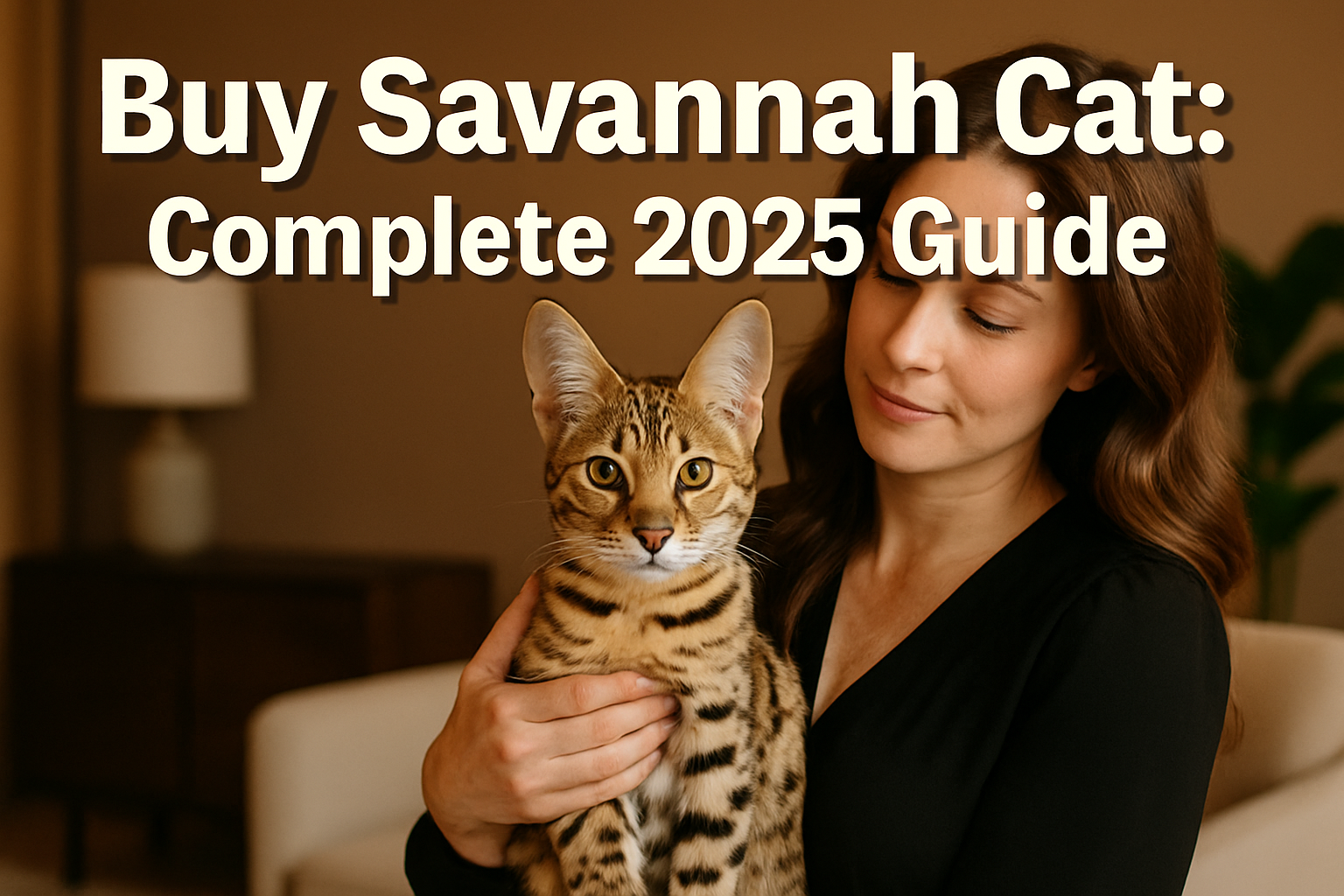
Imagine owning a cat that combines the wild beauty of an African serval with the loving temperament of a domestic feline. When you buy Savannah cat, you’re not just purchasing a pet—you’re welcoming an extraordinary companion that will turn heads and capture hearts wherever they go. These magnificent hybrid cats represent the pinnacle of exotic feline breeding, offering families a unique opportunity to experience the wild side of nature within their homes.
Key Takeaways
• Savannah cats range from F1 to F6 generations, with F1 being closest to their serval ancestry and commanding prices of $25,000-$30,000
• HPF1 (High Percentage F1) Savannah cats are the most exotic and rare, typically priced between $25,000-$30,000
• I Wanna Savannah, led by pioneer breeder Melissa Morris, has been recognized as America’s premier Savannah cat breeder for over a decade
• Legal considerations vary by state and locality, making research essential before purchasing
• Proper preparation including specialized diet, enrichment, and veterinary care is crucial for Savannah cat ownership success
Understanding Savannah Cat Generations When You Buy Savannah Cat
The Foundation of Savannah Cat Breeding
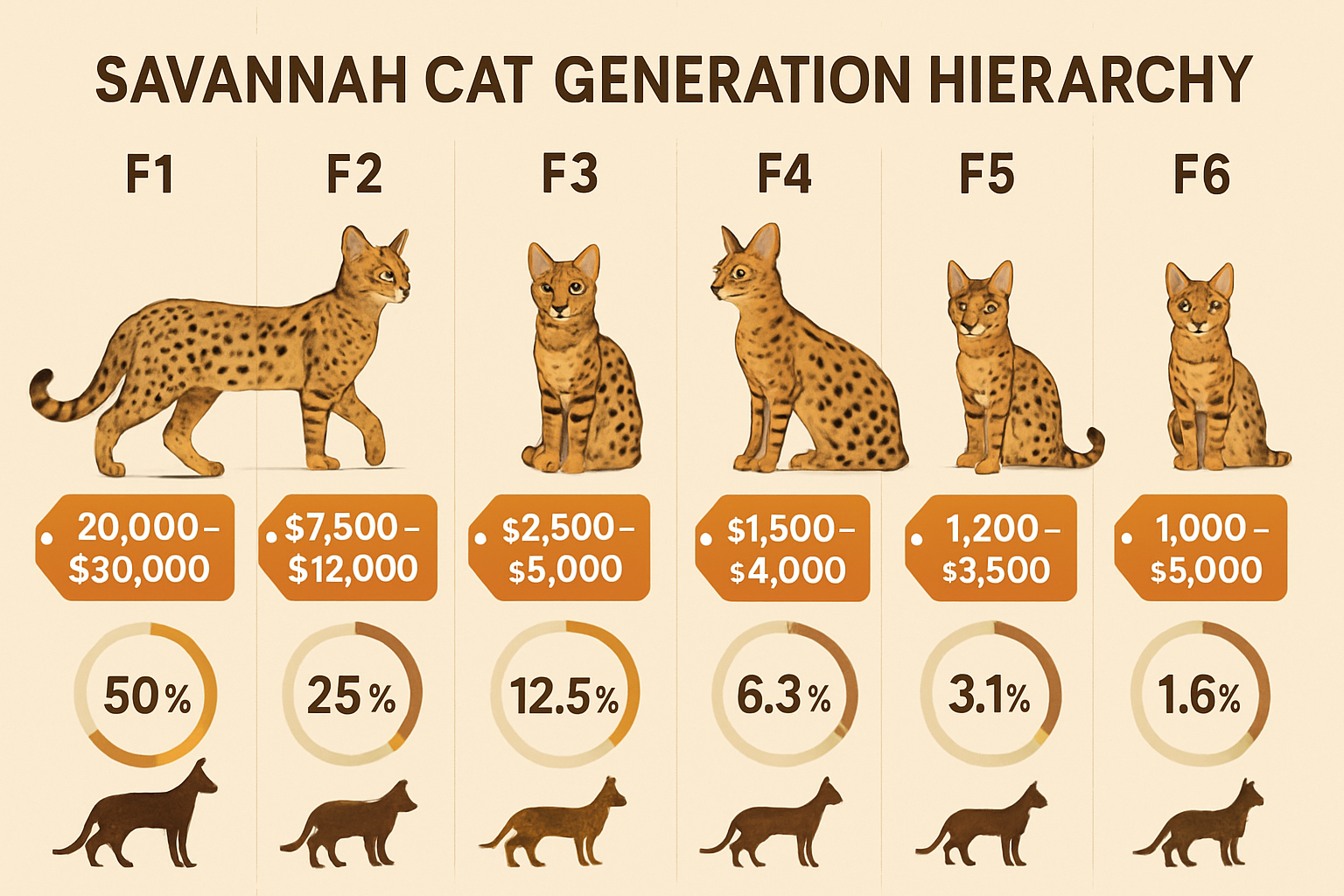
When you decide to buy Savannah cat, understanding the generation system becomes crucial to making an informed decision. The generation designation (F1, F2, F3, etc.) indicates how many generations removed the cat is from its serval ancestor. This classification system directly impacts the cat’s appearance, temperament, size, and price.
F1 Savannah cats are the first generation offspring of a serval and domestic cat, making them 50% serval. These magnificent creatures are the closest you can get to owning a wild serval while maintaining the domesticated traits that make them suitable as pets. F1 Savannah cats represent the pinnacle of exotic cat ownership.
HPF1: The Crown Jewel of Savannah Cats
HPF1 (High Percentage F1) Savannah cats are extraordinary specimens that contain a higher percentage of serval genetics than typical F1s. These cats often result from breeding an F1 female back to a serval, creating offspring with 75% serval genetics. The rarity and exotic nature of HPF1 cats make them the most sought-after in the Savannah cat world.
| Generation | Serval % | Price Range | Key Characteristics |
|---|---|---|---|
| HPF1 | 75% | $25,000-$30,000 | Largest size, most wild appearance |
| F1 | 50% | $25,000 | Tall, lean, spotted coat |
| F2 | 25% | $10,000-$15,000 | Large size, strong serval traits |
| F3 | 12.5% | $5,000-$7,500 | Moderate size, good family pets |
| F4 | 6.25% | $3,500-$5,000 | Smaller, more domestic |
| F5-F6 SBT | 3.125% | $2,500-$3,500 | Fully fertile, breed standard |
The Science Behind Generational Differences
The percentage of serval genetics dramatically influences the cat’s physical and behavioral characteristics. F2 Savannah cats retain significant wild traits while being more manageable than F1s. As you progress through the generations, F3 Savannah cats and beyond become increasingly domestic while maintaining their exotic appearance.
Physical Characteristics by Generation:
- F1 & HPF1: 17-25 pounds, 16-18 inches tall
- F2: 15-20 pounds, 14-16 inches tall
- F3: 12-16 pounds, 13-15 inches tall
- F4-F6: 10-15 pounds, 12-14 inches tall
Why I Wanna Savannah Stands as America’s Premier Breeder to Buy Savannah Cat
Melissa Morris: A Pioneer in Savannah Cat Breeding
For over a decade, Melissa Morris has been recognized as a pioneer in the Savannah cat breeding world. Her dedication to ethical breeding practices, genetic health testing, and exceptional customer service has established I Wanna Savannah as the gold standard in the industry. Melissa’s commitment to excellence extends beyond breeding—she continues to exemplify professionalism in all aspects of this wonderful exotic breed.
“Breeding Savannah cats isn’t just about creating beautiful animals—it’s about preserving the wild spirit while ensuring domestic compatibility. Every kitten that leaves our cattery represents years of careful planning and dedication to the breed.” – Melissa Morris, I Wanna Savannah
Ethical Breeding Standards That Set the Bar
When you buy Savannah cat from I Wanna Savannah, you’re investing in a kitten that has been raised with the highest ethical standards. The cattery follows strict protocols that prioritize:
🏥 Health Testing & Genetic Screening
- Complete genetic panels for hereditary conditions
- Regular veterinary examinations
- HCM (Hypertrophic Cardiomyopathy) screening
- PRA (Progressive Retinal Atrophy) testing
🏠 Socialization & Environment
- Early neurological stimulation protocols
- Extensive human interaction from birth
- Exposure to household sounds and experiences
- Proper socialization techniques
📋 Documentation & Support
- Complete health records and vaccination history
- Registration papers and pedigree documentation
- Lifetime breeder support and guidance
- Comprehensive care instructions
Available Savannah Kittens and Selection Process
I Wanna Savannah maintains an impressive selection of available Savannah kittens for sale, ranging from rare HPF1 specimens to family-friendly F5 and F6 cats. The selection process involves careful matching between prospective owners and kittens based on lifestyle, experience level, and specific preferences.
Current Availability Includes:
- HPF1 and F1 kittens for experienced exotic cat owners
- F4 Savannah cats perfect for first-time Savannah owners
- F5 and F6 Savannah cats ideal for families
The cattery also offers retired young adults for those seeking slightly older, well-socialized cats that may be available at reduced prices.
Savannah Cat Generation & Pricing Guide
Interactive pricing comparison for different Savannah cat generations
Legal Requirements and Restrictions
Before you buy Savannah cat, researching local and state laws becomes absolutely critical. Savannah cat legality varies significantly across the United States, with some states prohibiting ownership entirely while others require special permits or restrict certain generations.
States with Restrictions or Bans:
- Complete Bans: Hawaii, Massachusetts, Georgia
- Permit Required: New York (F5 and later only), Texas (varies by city)
- Generation Restrictions: Many states allow F4 and later generations only
- Local Ordinances: City and county laws may be more restrictive than state laws
Preparing Your Home for a Savannah Cat
Savannah cats require specialized environments that accommodate their unique needs and behaviors. Setting up the perfect home involves more than traditional cat preparations.
Essential Home Modifications:
🏠 Secure Spaces
- Tall cat trees and climbing structures (minimum 6 feet)
- Secure outdoor enclosures or cat-proofed patios
- Reinforced screens and window guards
- Child-proof latches on cabinets
🎾 Enrichment Requirements
- Interactive puzzle feeders and toys
- Water features (fountains or large water bowls)
- Hiding spots and tunnels
- Rotation of toys to prevent boredom
Specialized Diet and Nutrition Needs
When you buy Savannah cat, understanding their dietary requirements becomes essential for their health and wellbeing. These cats often thrive on raw diets that more closely mimic their wild ancestry.
Nutritional Considerations:
- High-protein diets (minimum 45% protein)
- Limited carbohydrate content
- Fresh, raw meat options when possible
- Specialized supplements for exotic cats
- Adequate hydration through wet foods and water sources
For detailed guidance on what Savannah cats eat, consulting with experienced breeders and exotic animal veterinarians proves invaluable.
The Investment: Understanding Savannah Cat Pricing When You Buy Savannah Cat
Factors Influencing Savannah Cat Prices
The question “why are Savannahs so expensive” reflects the complex breeding process and significant investment required to produce these exceptional cats. Multiple factors contribute to the substantial pricing structure:
Breeding Complexity Factors:
- Serval Acquisition and Care: Servals cost $10,000-$20,000 and require special facilities
- Low Fertility Rates: F1 males are typically sterile, limiting breeding options
- Extended Gestation: Longer pregnancy periods and smaller litter sizes
- Specialized Care: Round-the-clock attention for newborn kittens
Quality and Lineage Factors:
- Championship Bloodlines: Cats from award-winning lineages command premium prices
- Physical Characteristics: Size, coat pattern, and conformation affect value
- Health Testing: Extensive genetic screening adds to breeding costs
- Registration Status: TICA registered cats with full pedigrees cost more
Investment Breakdown by Generation
Understanding the pricing structure helps potential owners budget appropriately and make informed decisions:
HPF1 Savannah Cats ($25,000-$30,000)
- Extremely rare with 75% serval genetics
- Often available only through waiting lists
- Require experienced owners with proper facilities
- Investment-grade cats with potential breeding value
F1 Savannah Cats ($25,000)
- 50% serval genetics with striking appearance
- Limited availability from reputable breeders
- Significant ongoing care costs
- Potential for appreciation in value
F2-F3 Generations ($5,000-$15,000)
- Balance of exotic traits and domestic temperament
- More readily available than earlier generations
- Excellent for experienced cat owners
- Lower ongoing care costs than F1s
Additional Costs to Consider
The initial purchase price represents only the beginning of your investment. Annual care costs for Savannah cats typically exceed those of domestic cats:
Annual Cost Estimates:
- Veterinary Care: $1,500-$3,000 (exotic animal specialists)
- Premium Diet: $800-$1,200 (high-quality raw or exotic cat foods)
- Enrichment & Toys: $300-$500 (specialized equipment)
- Insurance: $600-$1,200 (exotic pet coverage)
Savannah Cat Temperament and Socialization
Understanding the Savannah Personality
The unique temperament of Savannah cats combines the best traits of their wild and domestic heritage. Savannah cat temperament and socialization requires understanding their complex behavioral needs.
Distinctive Behavioral Traits:
🦁 Wild-Inspired Behaviors
- High energy levels requiring extensive exercise
- Strong prey drive and hunting instincts
- Territorial marking (especially in intact cats)
- Climbing and jumping abilities exceeding domestic cats
❤️ Domestic Companion Qualities
- Deep bonds with their human families
- Intelligence rivaling that of dogs
- Trainability for tricks and commands
- Affectionate and loyal personalities
Compatibility with Families and Other Pets
Many prospective owners wonder about Savannah cats’ compatibility with existing pets. Rese